
Before
Checking your membership
Implant · J**
Duration: 4개월
Full-Arch Implant
After-treatment photos are for members only
Before photo 2026-06-13 After photo 2026-10-20Published with consent

IMPLANT
On day one, two Integrated Dentistry specialists use a 3D CT to first look for sites where an implant can be placed without bone grafting.
Overview
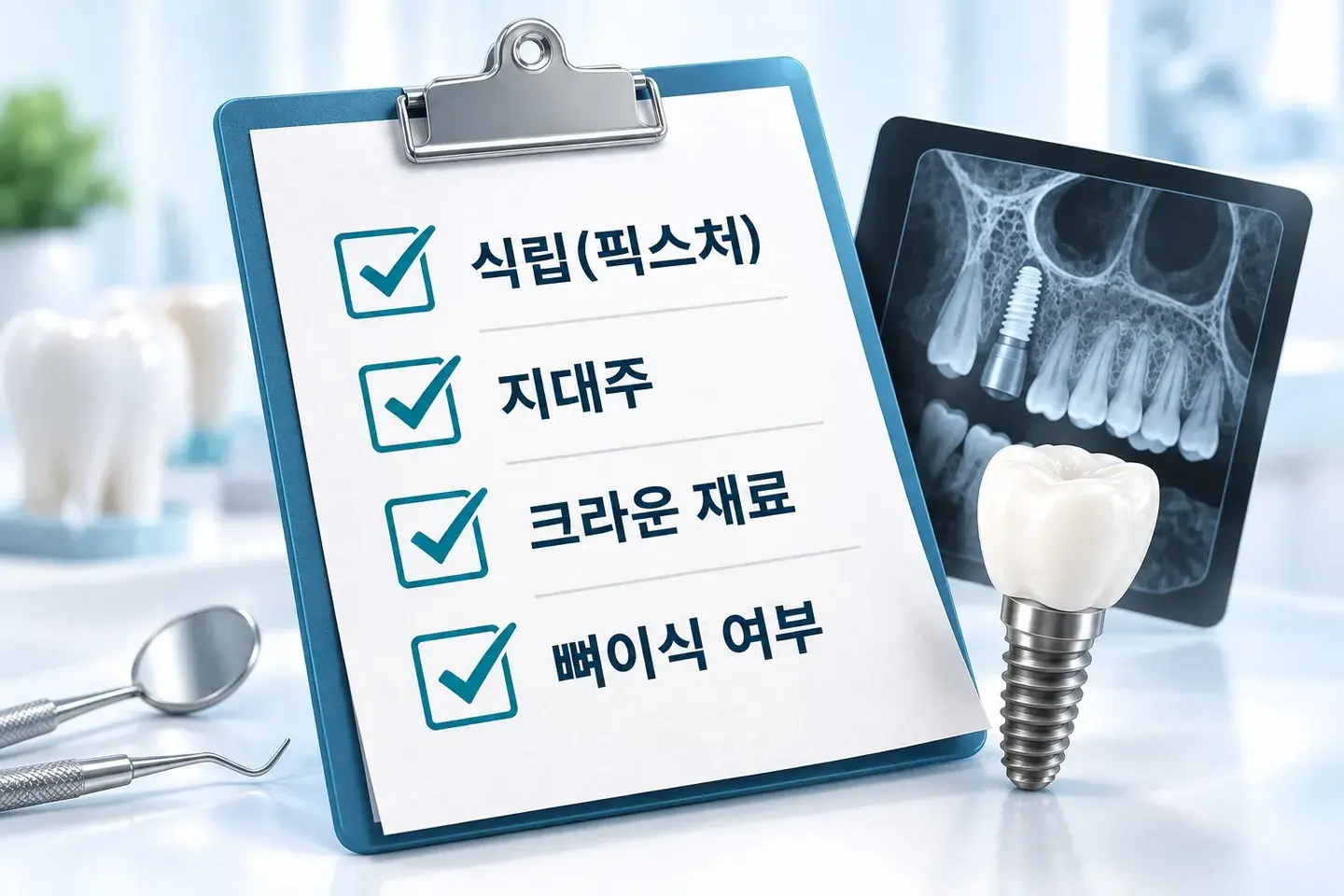
At Yeonhap Dental Clinic, two Integrated Dentistry specialists provide care, and your treating dentist follows you through consultation, surgery and the prosthesis. On the first day, a 3D CT is used to measure the bone on the cheek side and tongue side, and the distance to the maxillary sinus (the air space above the upper molars) and the nerve canal. The price of one implant is the sum of the fixture, the connecting post (abutment) and the crown; bone grafting and sinus lifts are charged separately when needed. Choose your situation from the 18 guides below.
These four numbers are Yeonhap Dental Clinic's criteria for reviewing a treatment plan; the final method is decided by the condition of your mouth.
Yeonhap Care
Two specialists analyze the 3D scanner and 3D CT data, place the implant at a position that protects the biologic width, and design the crown with a shape the toothbrush can reach at the gum margin (prosthesis emergence angle within 30 degrees) to reduce the risk of peri-implantitis.
We look for a position, within the range of the prosthesis, that leaves 2 mm of bone on the cheek side and 1.5 mm on the tongue and palate side, and graft bone if there is none. For upper molars, we consider a sinus lift when remaining bone is under 7 mm.
Osteoporosis drugs, anticoagulants and antiplatelet drugs, and diabetes medication are never stopped on your own; the timing is decided with the prescribing doctor. For diabetes, treatment proceeds within the range where blood sugar is controlled.
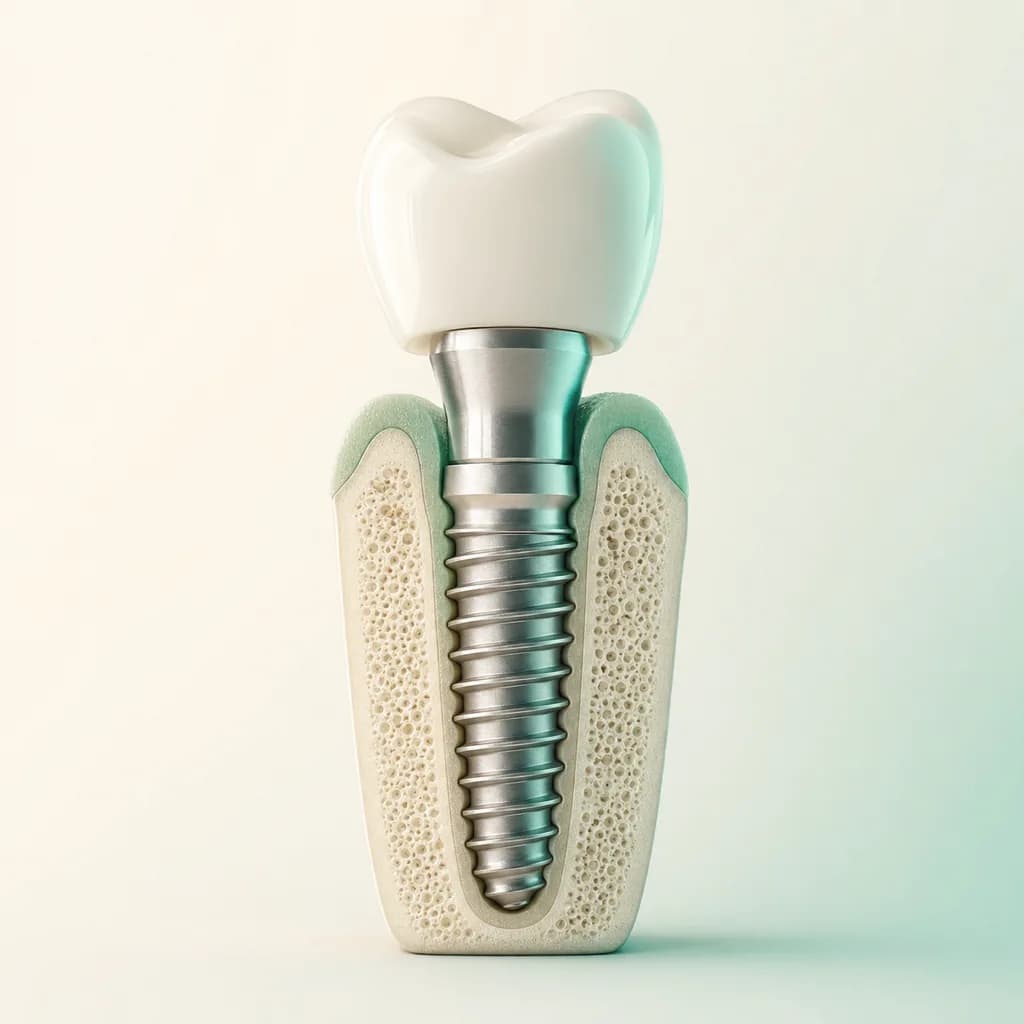
Structure
Crown · Abutment · Fixture — structured layer by layer from root to crown, just like a natural tooth.
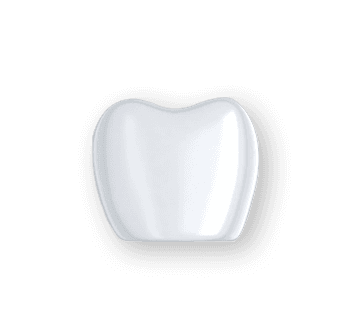
An artificial crown shaped to look and function like a natural tooth
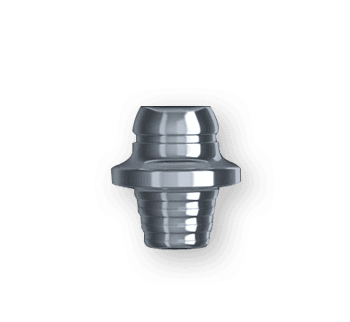
A connector post that joins the crown to the implant fixture
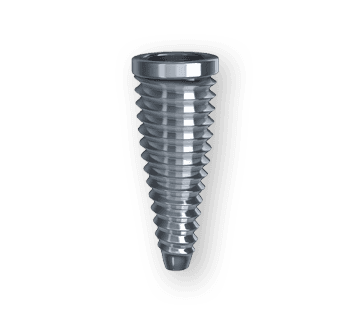
Surgically placed into the jawbone to act as an artificial tooth root
Treatments
Find your situation by tooth site, jawbone condition, number of teeth or retreatment, and continue to the standards Yeonhap Dental Clinic follows for long-lasting implants, plus the timeline, cost and insurance.
01 · Site
Three conditions for a length that matches the neighboring teeth
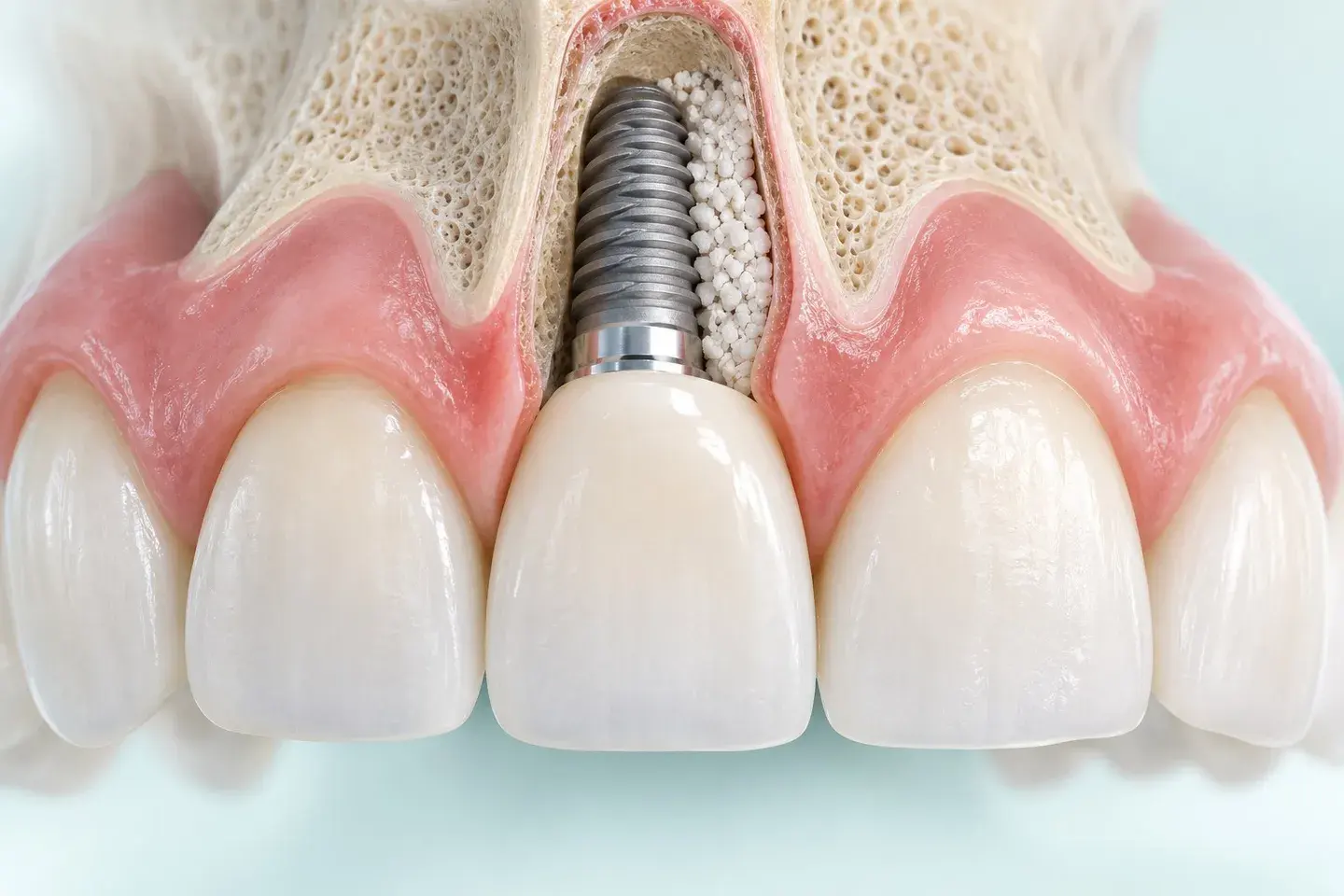
For a front tooth to emerge at the same length as its neighbors, the position, angle and bone must all be right. Yeonhap Dental Clinic places the implant inside the line connecting the edges of the neighboring teeth. If the gum condition and initial stability meet the criteria for immediate placement, we place it on the day of extraction and fill the cheek-side gap with bone graft material to 2 mm. With sufficient initial stability, we sometimes connect a temporary tooth adjusted so that chewing force does not load it directly on the same day.
02 · Site
Criteria for width, length and number
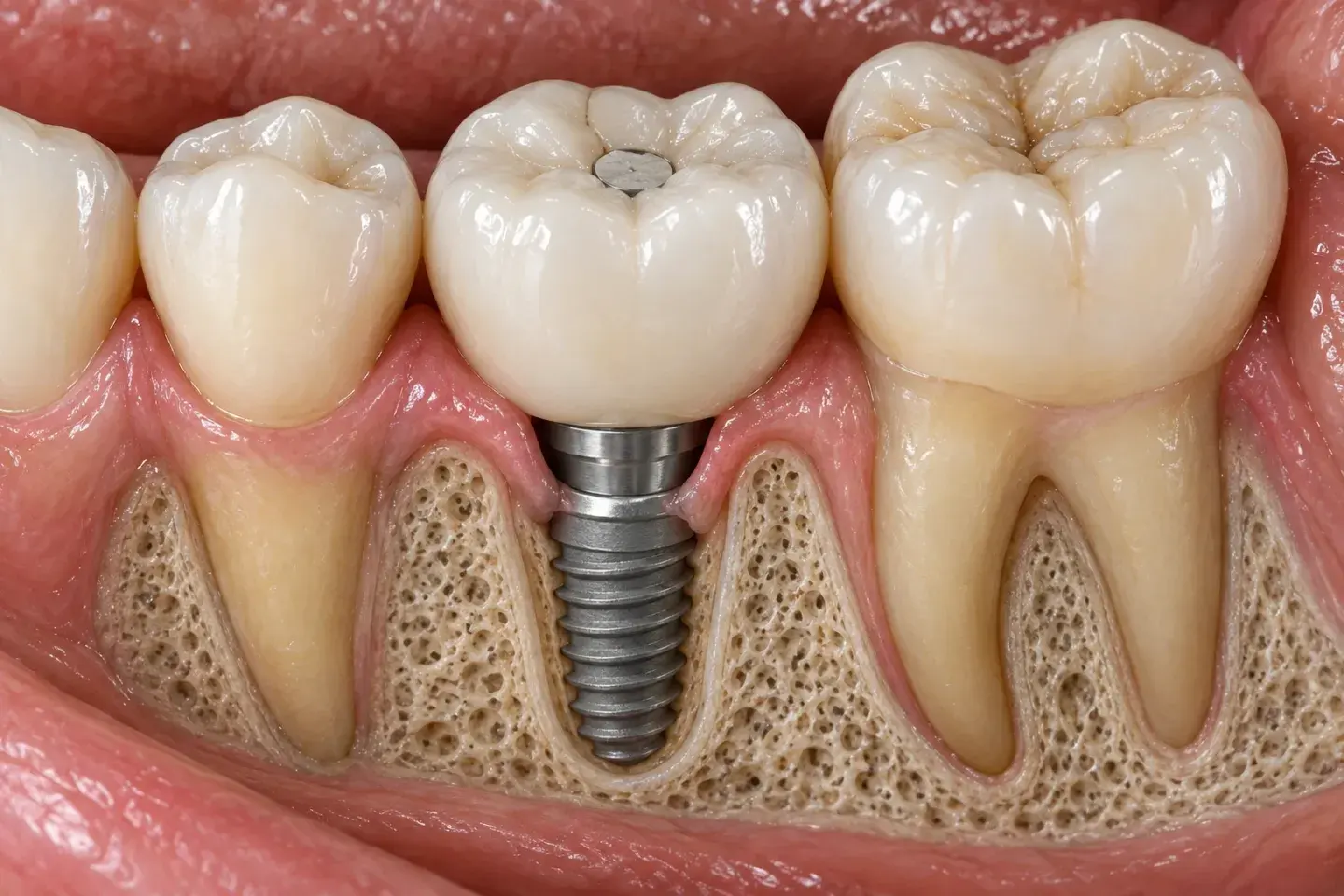
As a baseline, Yeonhap Dental Clinic uses a diameter of 4.0–4.5 mm for premolars and 4.5–5.0 mm for molars, with a length of at least 7 mm. For upper molars, we consider a sinus lift when remaining bone is under 7 mm; for lower molars, we check that 2 mm can be secured above the nerve canal. If that is not possible, we consider a short implant 5 mm or more in diameter and 4–6 mm in length. We place an implant even when only the last tooth, the 7th, is missing.
03 · Jawbone
Whether grafting is needed depends on 2 mm of cheek-side bone
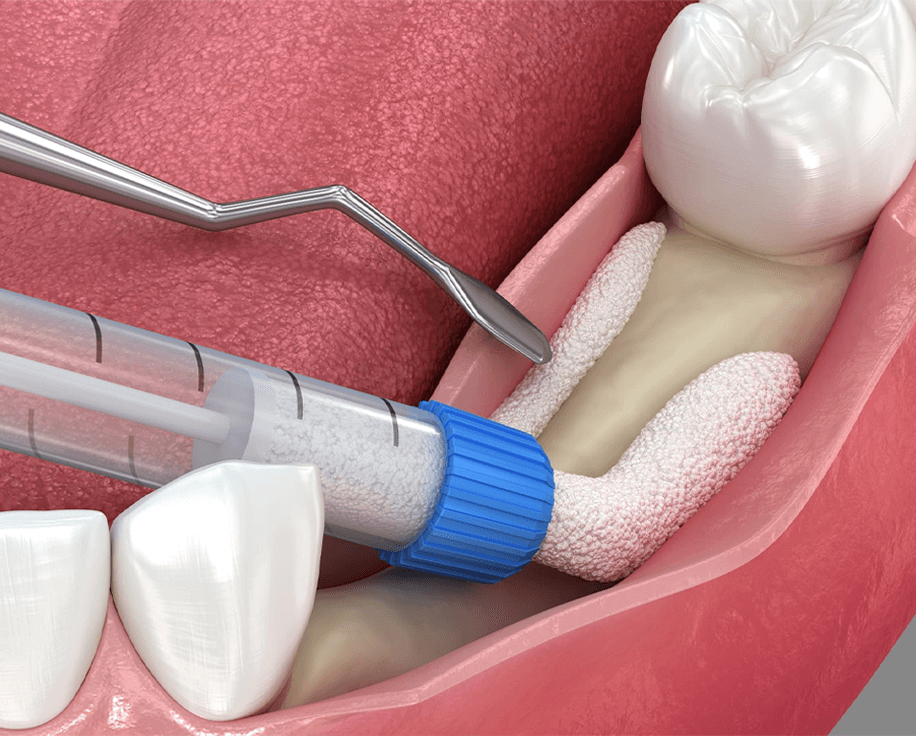
If a position that leaves 2 mm of cheek-side bone and 1.5 mm on the tongue side can be found, no bone graft is done. In the group with less than 2 mm of cheek-side bone at placement, marginal bone loss one year after the prosthesis was connected was 0.36 mm, about 12 times the 0.03 mm in the group with 2 mm or more[31]. When needed, Yeonhap Dental Clinic does four steps on the same day as placement: making holes in the bone surface, graft material, a membrane and fixation. We do not do a staged surgery in which only the graft is done first, so the timeline is not lengthened because of it; the cost is charged separately.
04 · Jawbone
7 mm of remaining bone is the criterion
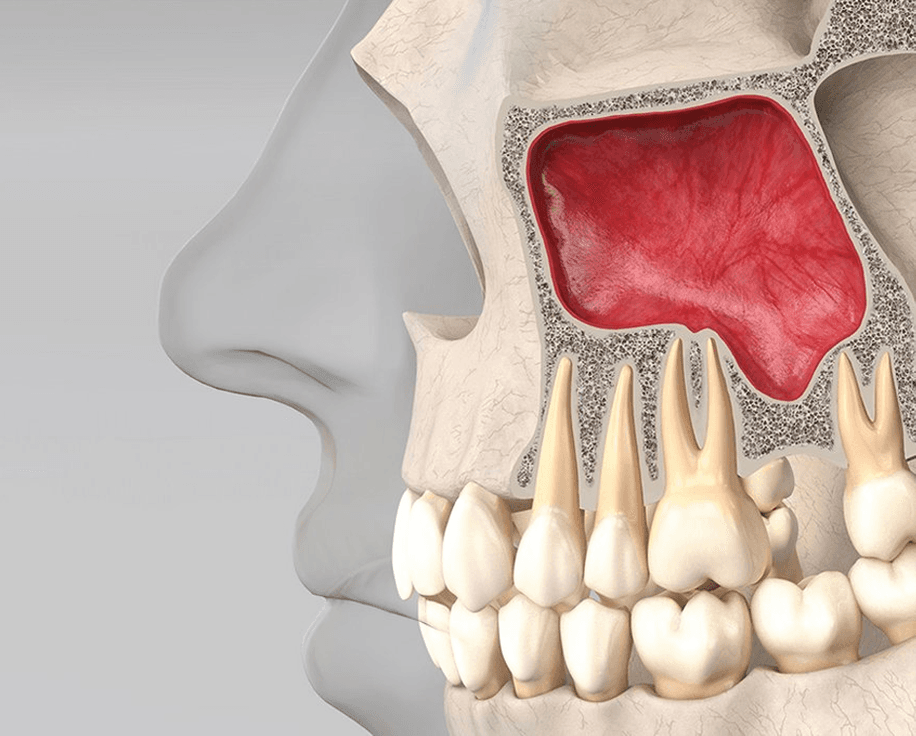
When remaining bone is under 7 mm, Yeonhap Dental Clinic considers a hydraulic sinus lift first. For a thin membrane or a lesion, we consider the lateral approach from the start. If a sign of perforation is unclear or confirmed, we switch to the lateral approach that day and place the implant at the same time depending on initial stability. From the first surgery to the final prosthesis takes about 4–5 months or 6–7 months depending on the condition, and 7–8 months in total if the sinus lift is done first.
05 · Jawbone
Four conditions for placing on the day of extraction
Immediate placement means putting the implant in on the day the tooth is pulled, to shorten the wait after extraction. Yeonhap Dental Clinic checks for removal of infection, fixation in 2–3 mm of bone below the socket, the distance to the sinus and nerve canal, and gum recession at the front teeth. If the conditions are not met, we wait at least 2 months for front teeth and 3 months for molars before placing.
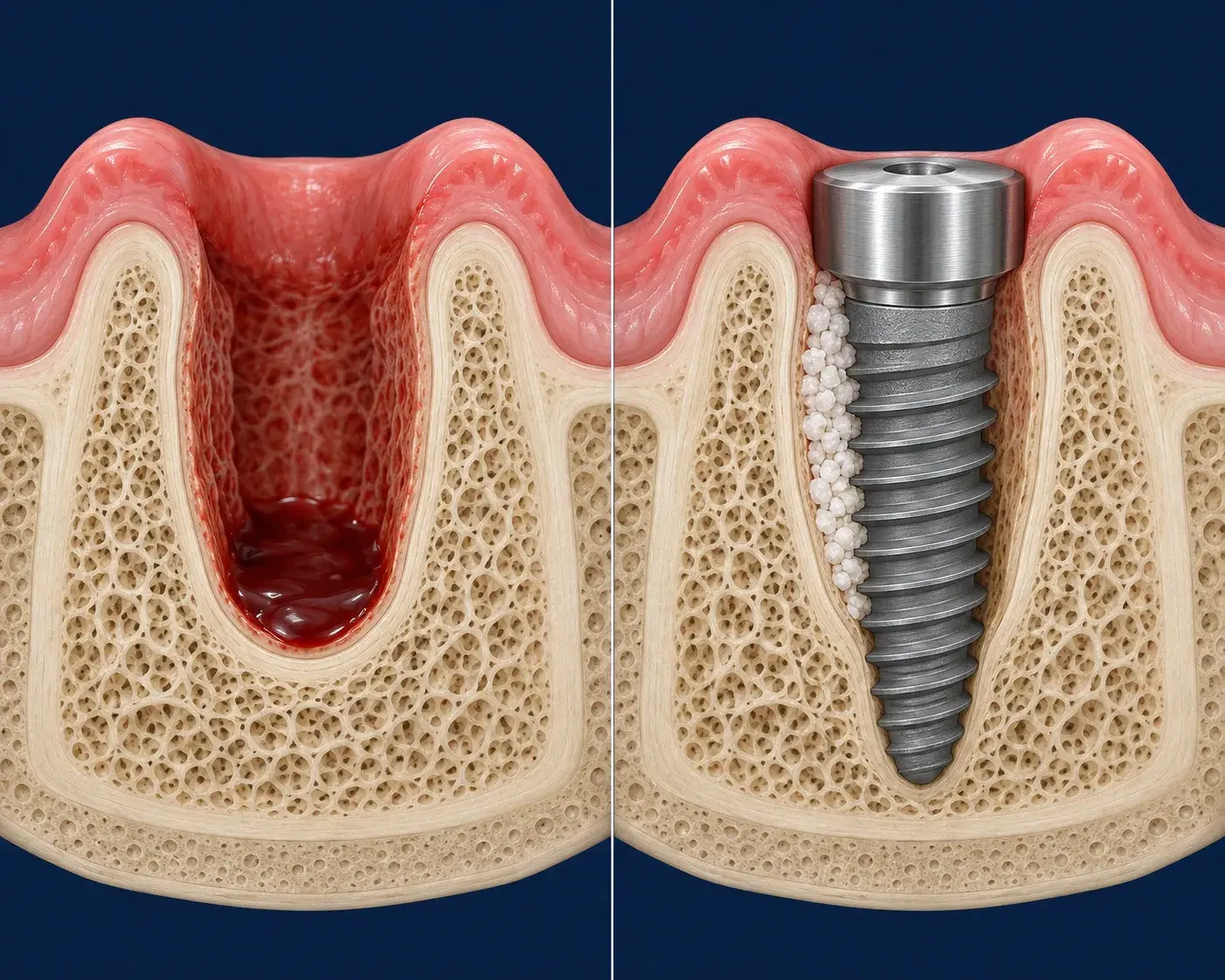
06 · Jawbone
Planning bone, gum, lesions and bite together
Complex cases are treatments that plan the bone, gums, sinus lesions and bite together. Yeonhap Dental Clinic considers simultaneous bone grafting when cheek-side bone is under 2 mm, and a sinus lift when remaining bone in the upper molars is under 7 mm. For lower molars where 2 mm above the nerve canal cannot be kept with a standard length, we consider a 4–6 mm short implant, but we do not place one where the remaining height is under 5 mm. We also decide the order of gum reinforcement, lesion treatment and bite restoration.
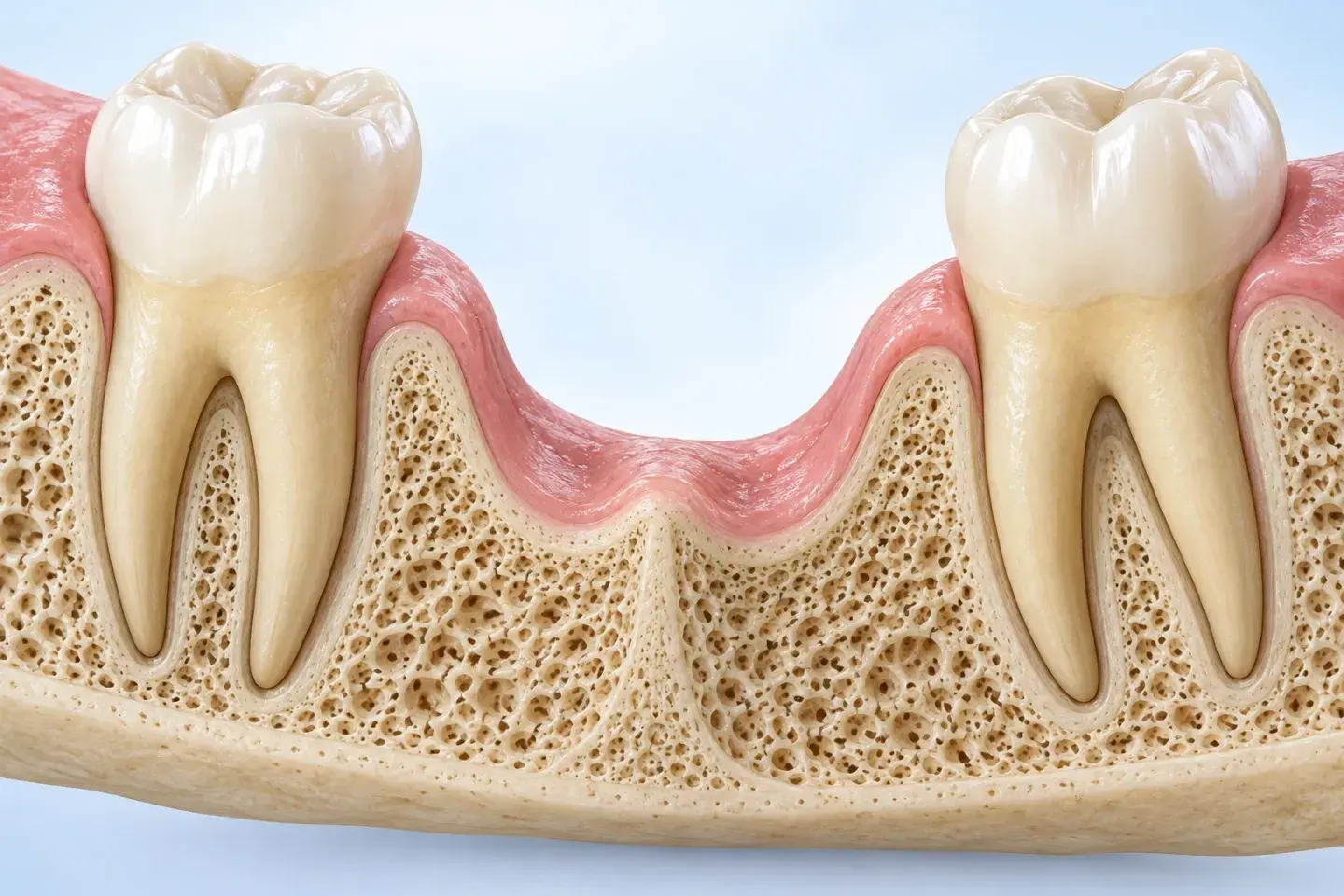
07 · Whole mouth
How many implants restore a whole jaw?
Whole-mouth implants restore the teeth and bite of one whole jaw together. Yeonhap Dental Clinic divides 12 artificial teeth, up to the 6th tooth, into three segments and supports them on at least 6 implants in the lower jaw and at least 7 in the upper jaw. If the bone in the lower molar area is under 5 mm or the upper front area is lacking, we consider All-on-X, and we also compare an implant-supported denture depending on cost, maintenance and your preference. The 7th tooth is added after a trial period if needed.
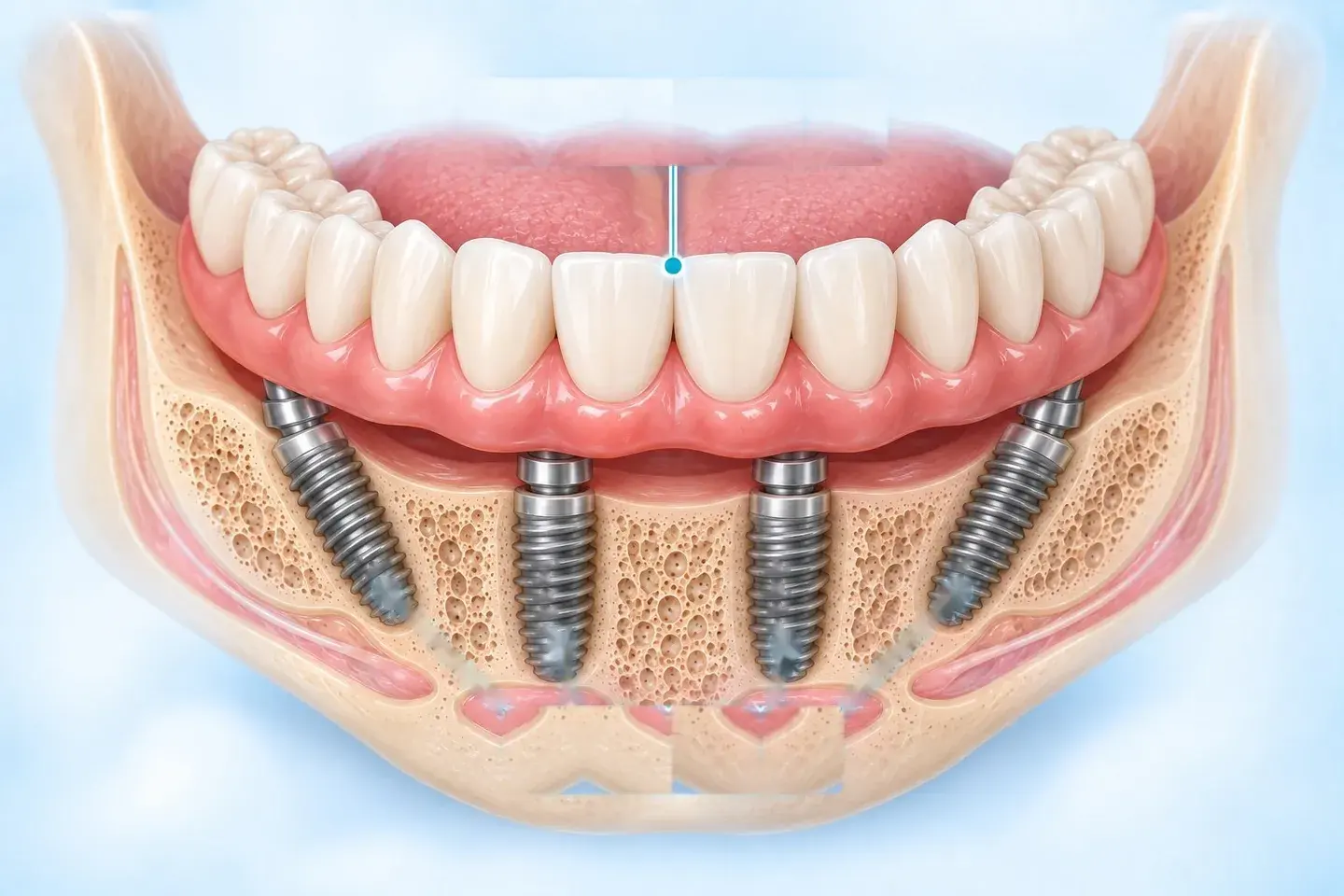
08 · Whole mouth
How is it different from whole-mouth implants?
Yeonhap Dental Clinic's All-on-X fixes 12 artificial teeth as a single piece on 4 implants at the front of the lower jaw or 6 implants at positions 4, 5 and 6 on both sides of the upper jaw. If the bone allows, we first look at the three-segment fixed type, and choose based on placement limits, cost, maintenance and your preference. When the 4 lower-jaw or 6 upper-jaw implants meet a diameter of at least 4 mm, a length of at least 8.5 mm and an initial stability of at least 30 Ncm, and the connection design fits, a temporary tooth is attached within the same day to 1 week. Upper jaws that involve a sinus lift are excluded.
09 · Whole mouth
Who can manage with two, and who cannot
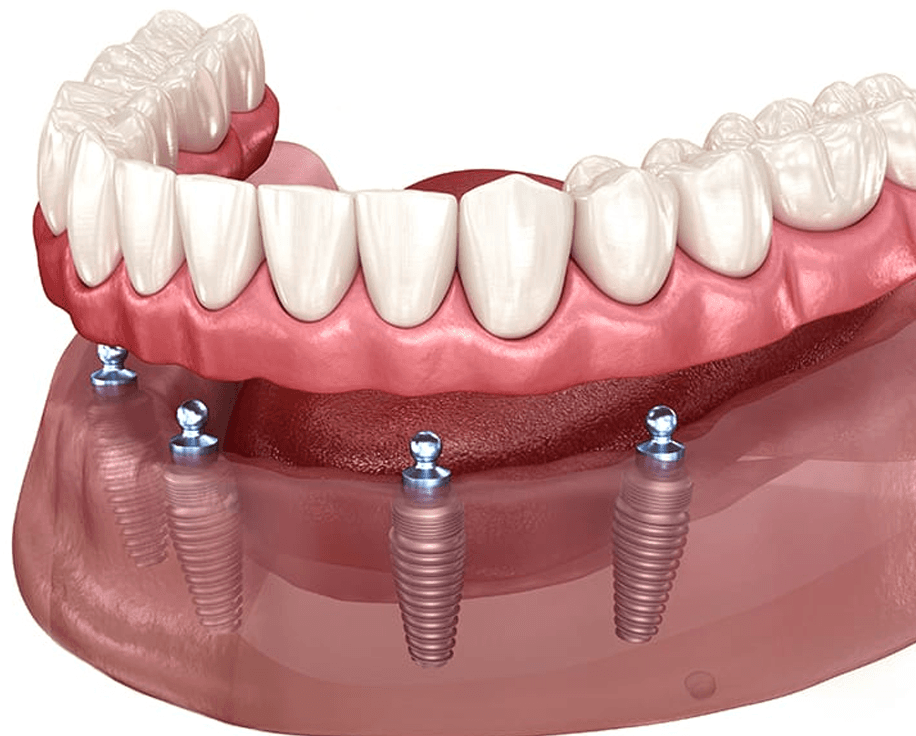
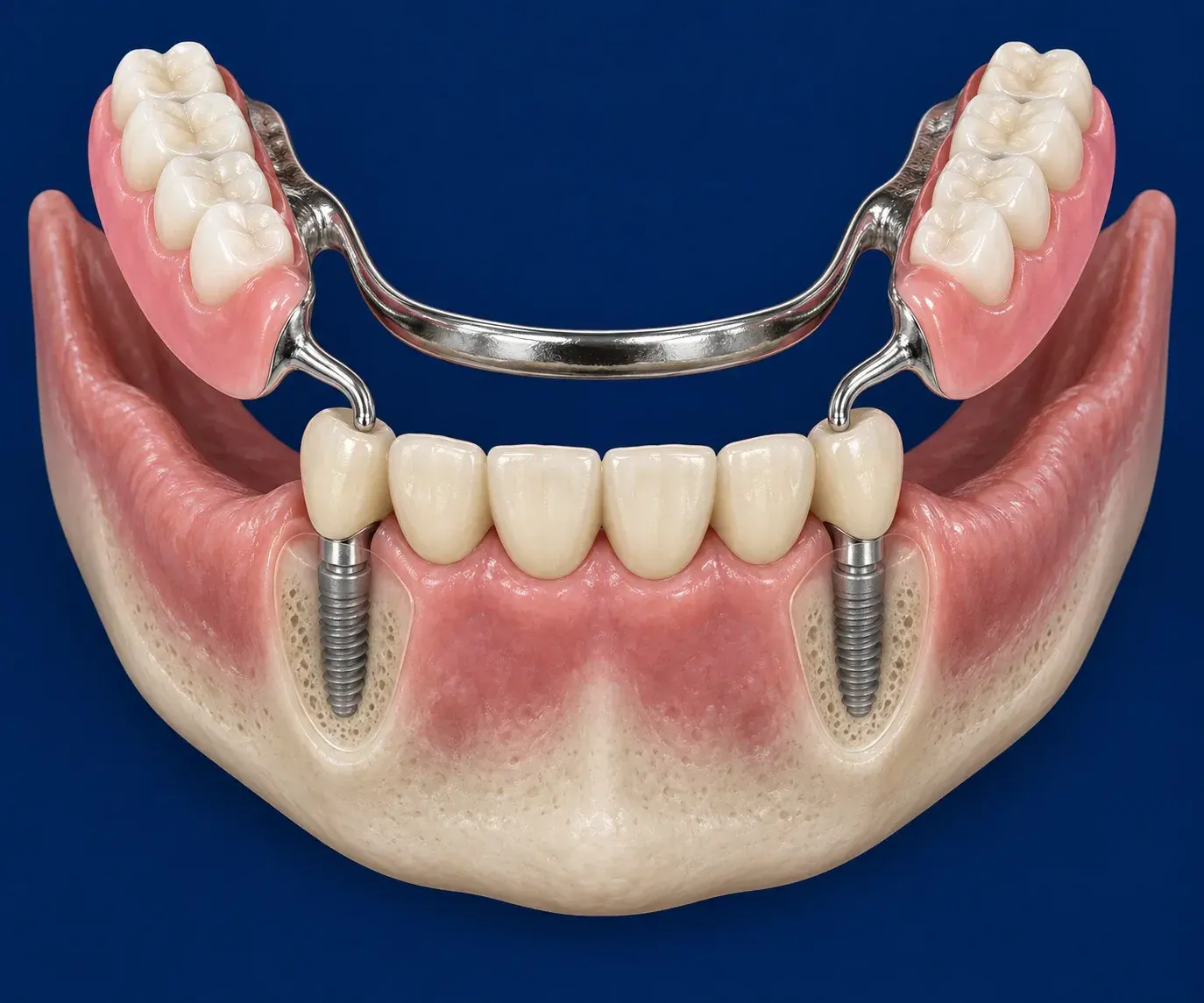
Yeonhap Dental Clinic's implant denture (IARPD) is a method in which a partial denture is attached to a bridge on top of the implants. The design for a completely edentulous jaw is 2 canine implants in the lower jaw and 4 in the upper jaw, and the lower jaw takes about 5 months. For patients aged 65 or older who are partially edentulous, National Health Insurance coverage applies separately to the implants and the partial denture depending on the conditions. There is no snap-on retention part to replace, but relining the inside of the denture, adjusting the clasps and checking the screws are still needed.
10 · Retreatment
Three problems that call for revision surgery
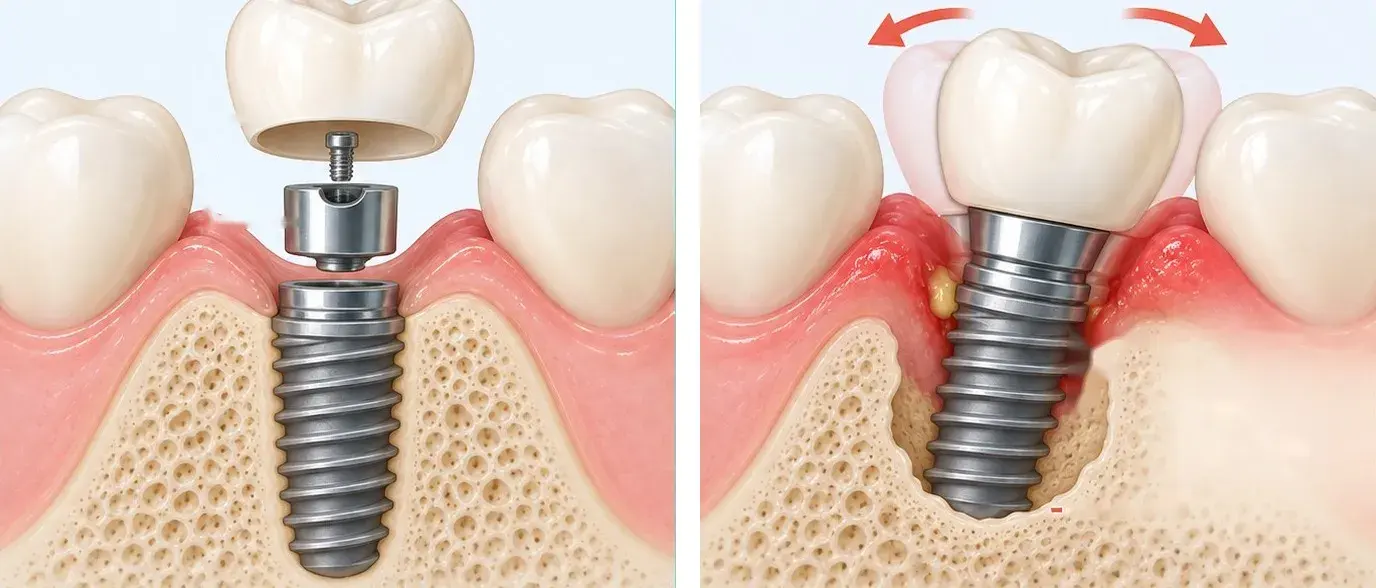
Revision surgery is judged by dividing it into peri-implantitis, fracture or loosening, and aesthetic or position problems at the front teeth. Yeonhap Dental Clinic first checks whether the implant body can be kept, and for peri-implantitis we check bone loss, changes in the stability value (ISQ) and the response to treatment together. For a loose screw or a detached prosthesis, we consider re-tightening or re-cementing; where an implant has been removed, we allow 2–3 months of healing, confirm the cause, and place again.
11 · Standards
Four-step palate anesthesia · 200 rpm low-speed drill
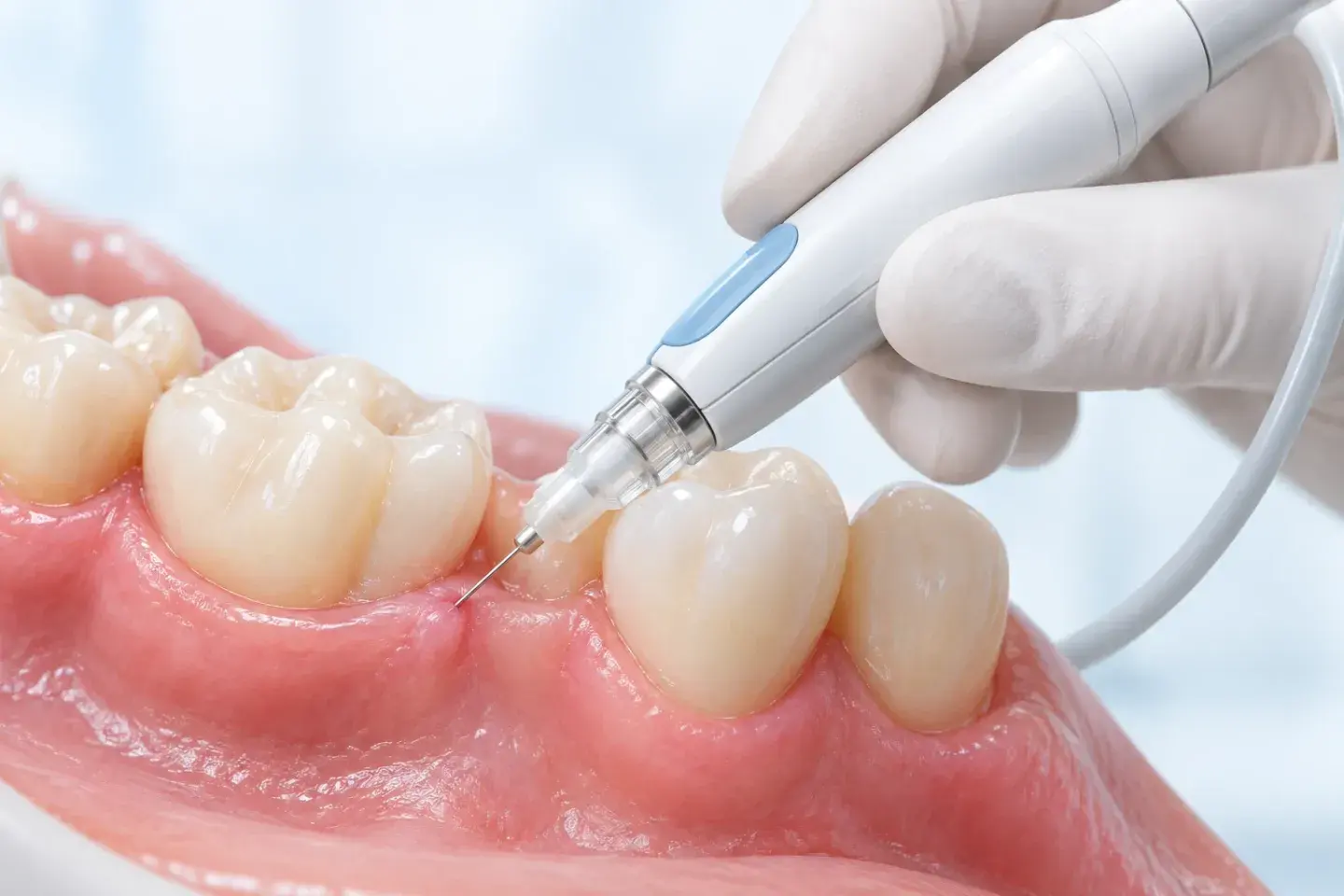
Yeonhap Dental Clinic uses a rinse, ointment and an automated anesthesia device as the baseline, and when palate anesthesia is needed, adds pressure for a four-step process. A low-speed drill at around 200 rpm is cooled with water, and the implant is placed with a flapless or minimal-incision approach depending on the bone and gum condition. Discomfort may last until around days 2–3 after surgery, so we check recovery at 1 week and 1 month.
12 · Standards
We prepare for each of six side effects
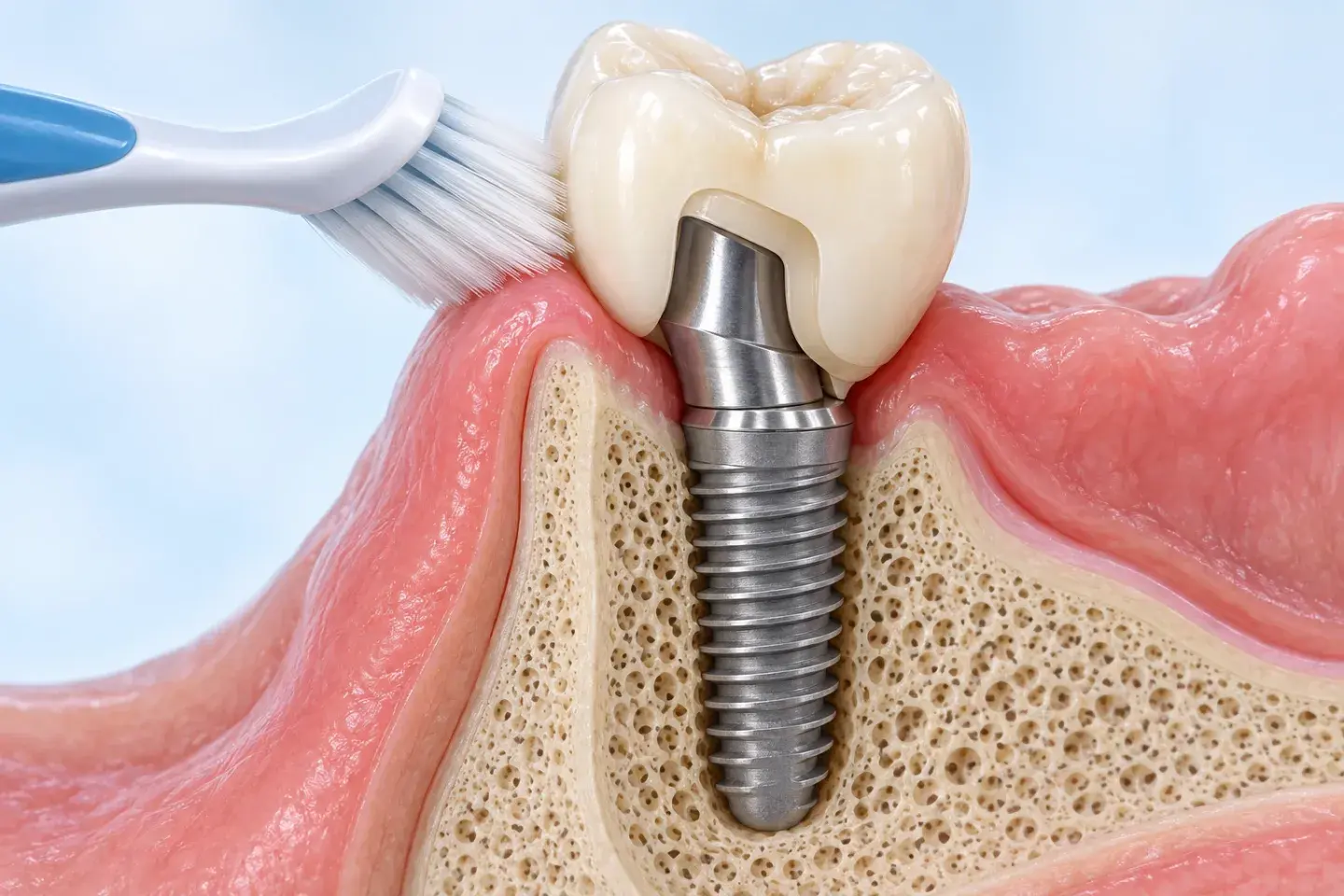
We explain the main side effects in six groups; their causes differ, so we prepare for each differently. The most common, peri-implantitis, is reported in about 22% of patients[25], and Yeonhap Dental Clinic reduces the risk by leaving 2 mm of cheek-side bone and designing a crown shape the toothbrush can reach (prosthesis emergence angle within 30 degrees)[30]. For altered sensation we keep 2 mm above the nerve canal, for sinusitis we treat it before surgery, and for front-tooth gum recession we reduce the risk through placement position and gap bone grafting.
13 · Standards
It is not that you can't — there is just one more step in the order
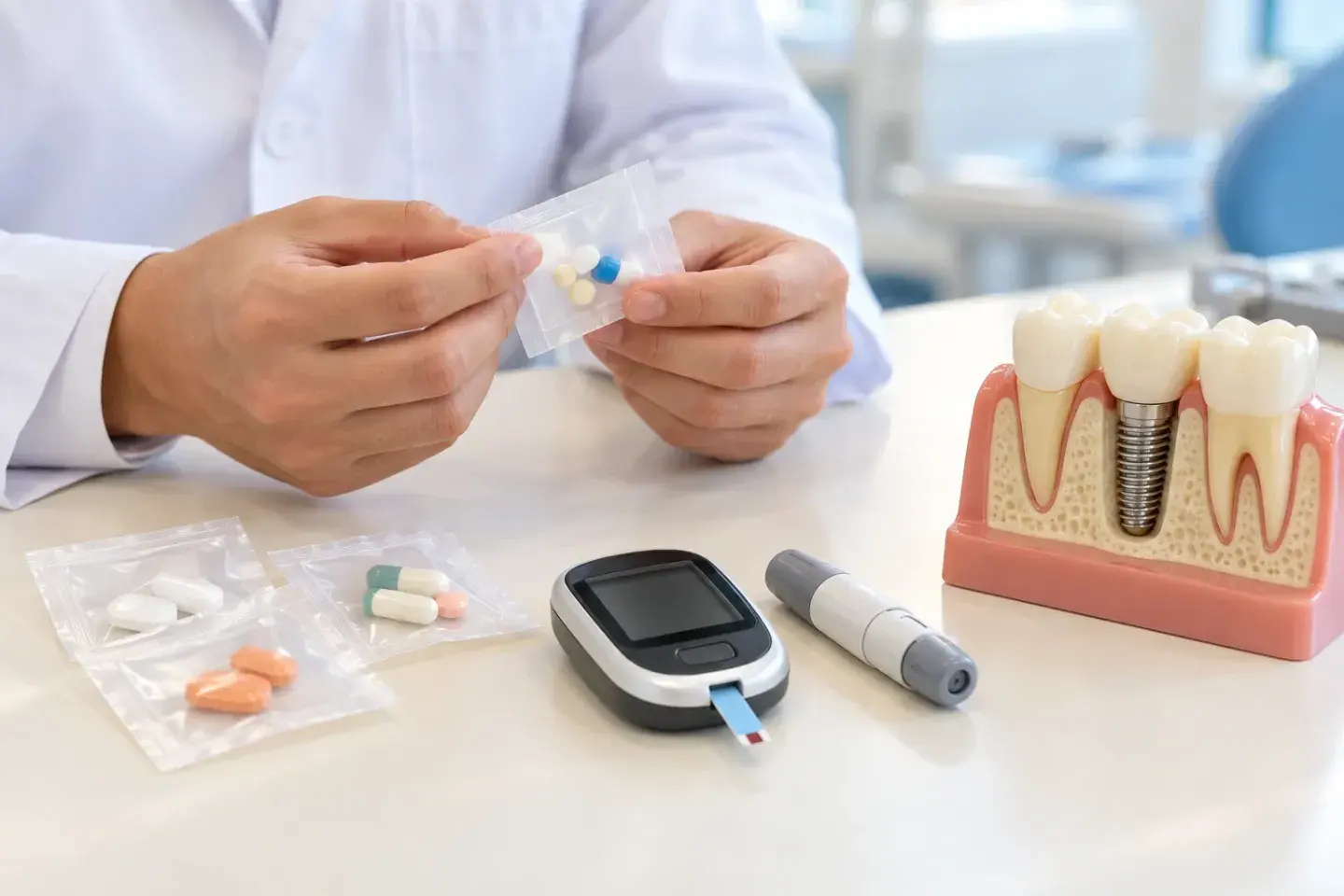
Diabetes, antithrombotic drugs and osteoporosis drugs are not reasons you cannot have an implant; they are items for deciding the order at the first consultation. Yeonhap Dental Clinic checks the drug name, how it is administered, how long you have taken it and the extent of surgery, then decides with your prescribing doctor only on the medications that need adjusting. How to take your medicine on the day of surgery is explained according to the type of drug and your meal plan, and the principle is that no patient stops any drug on their own.
14 · Standards
4 mm depth baseline · placement direction by site · a cleanable prosthesis
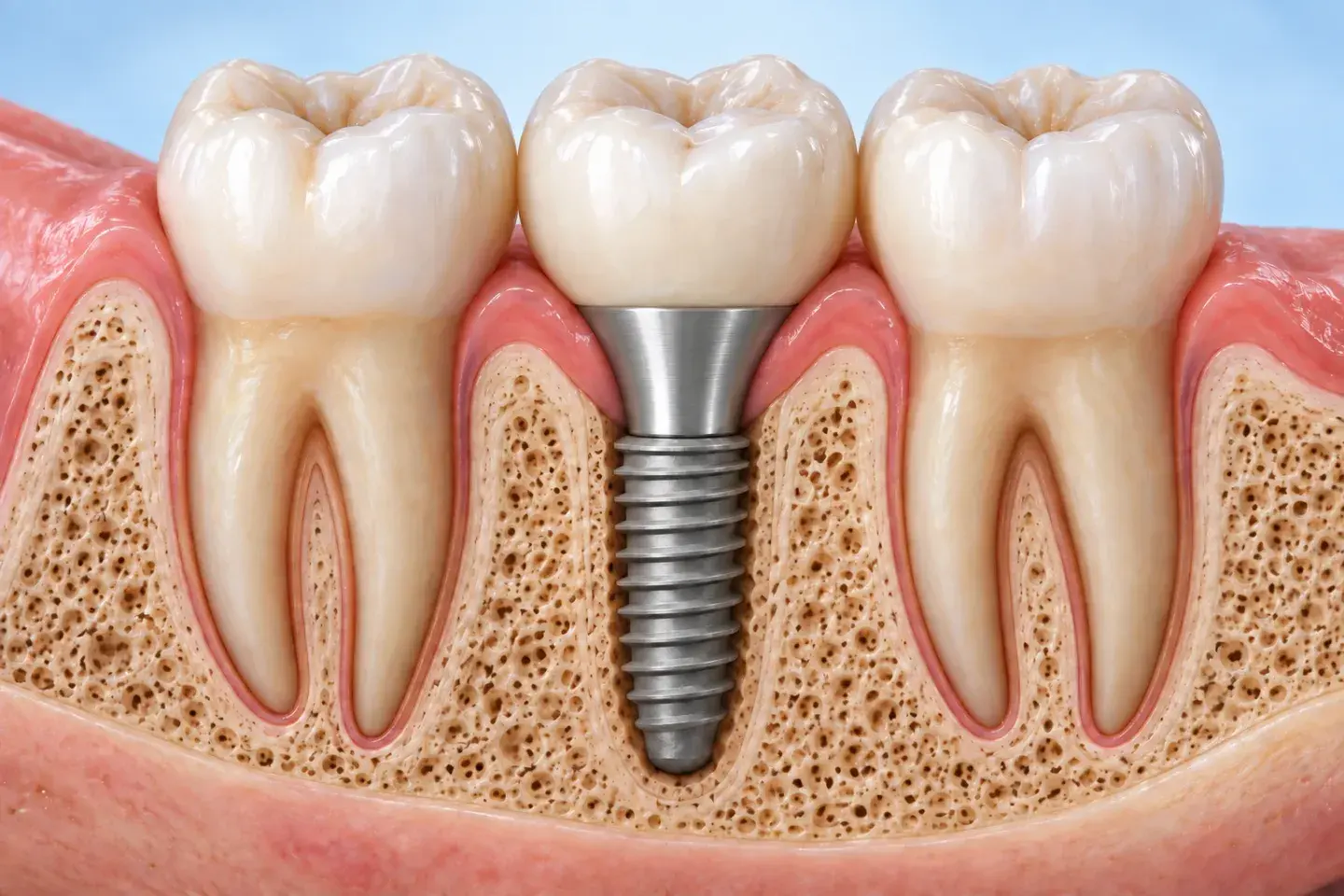
The difference shows up not on the day of placement but in the gum several years later. Yeonhap Dental Clinic uses about 4 mm from the gum surface to the platform as the baseline, sets the placement direction for each site, and makes the prosthesis with an emergence angle within 30 degrees and without a convex shape[30]. We refer to the association between shapes over 30 degrees or convex and peri-implantitis.
15 · Standards
About 96% 10-year survival, daily care and 6-month checkups
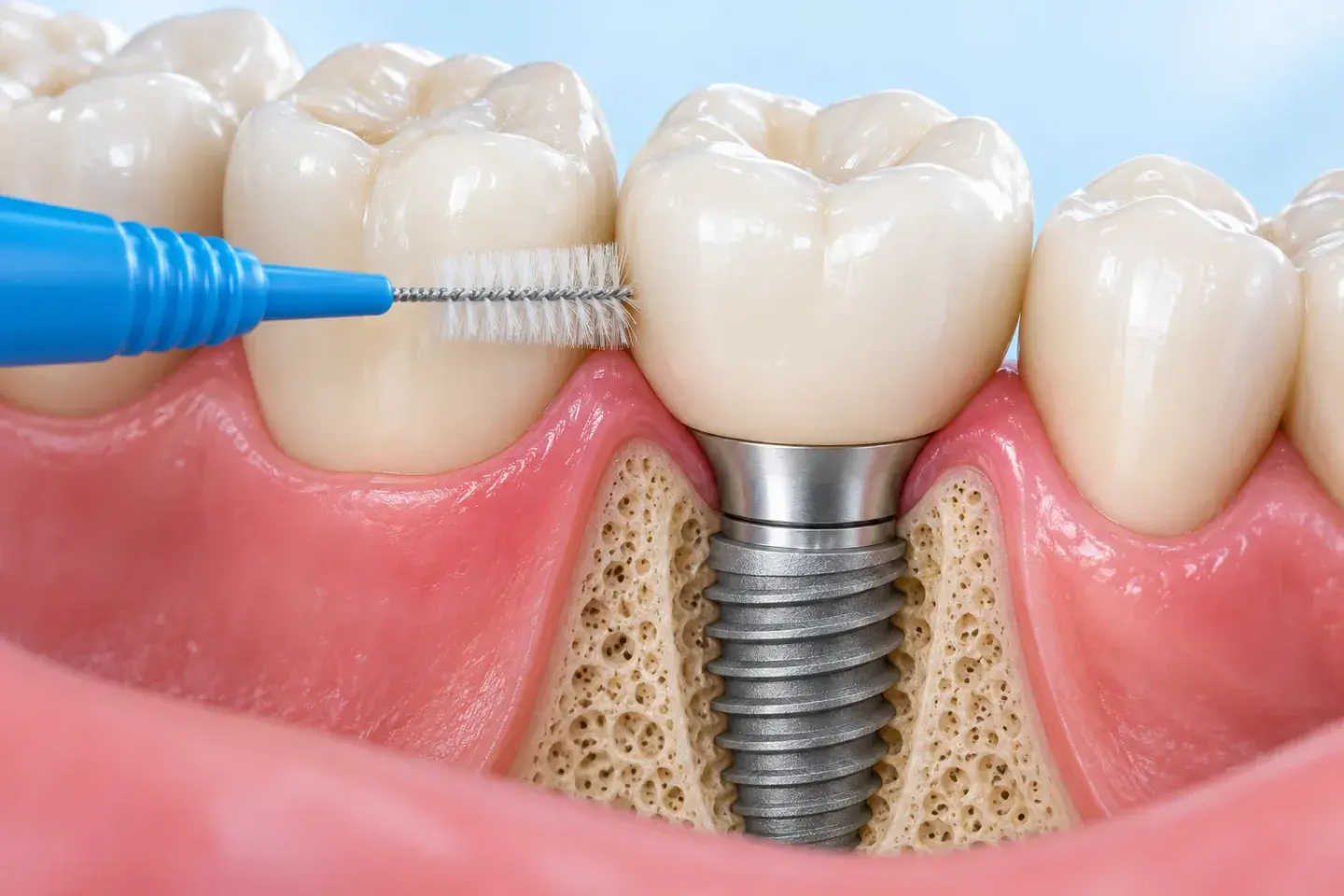
A 10-year survival of about 96% (93% when adjusted for dropouts) is the share not removed, and does not mean there was no inflammation or prosthesis repair[21]. Peri-implantitis was reported in about 22% of patients[25] and was lower in the regularly maintained group[28]. At Yeonhap Dental Clinic, you clean the prosthesis margin daily with a toothbrush and interdental brush, and we check every 6 months. Smokers have about twice the risk of failure[29], so we recommend quitting smoking for the first month after surgery.
16 · Timeline
How long it takes depends on the site
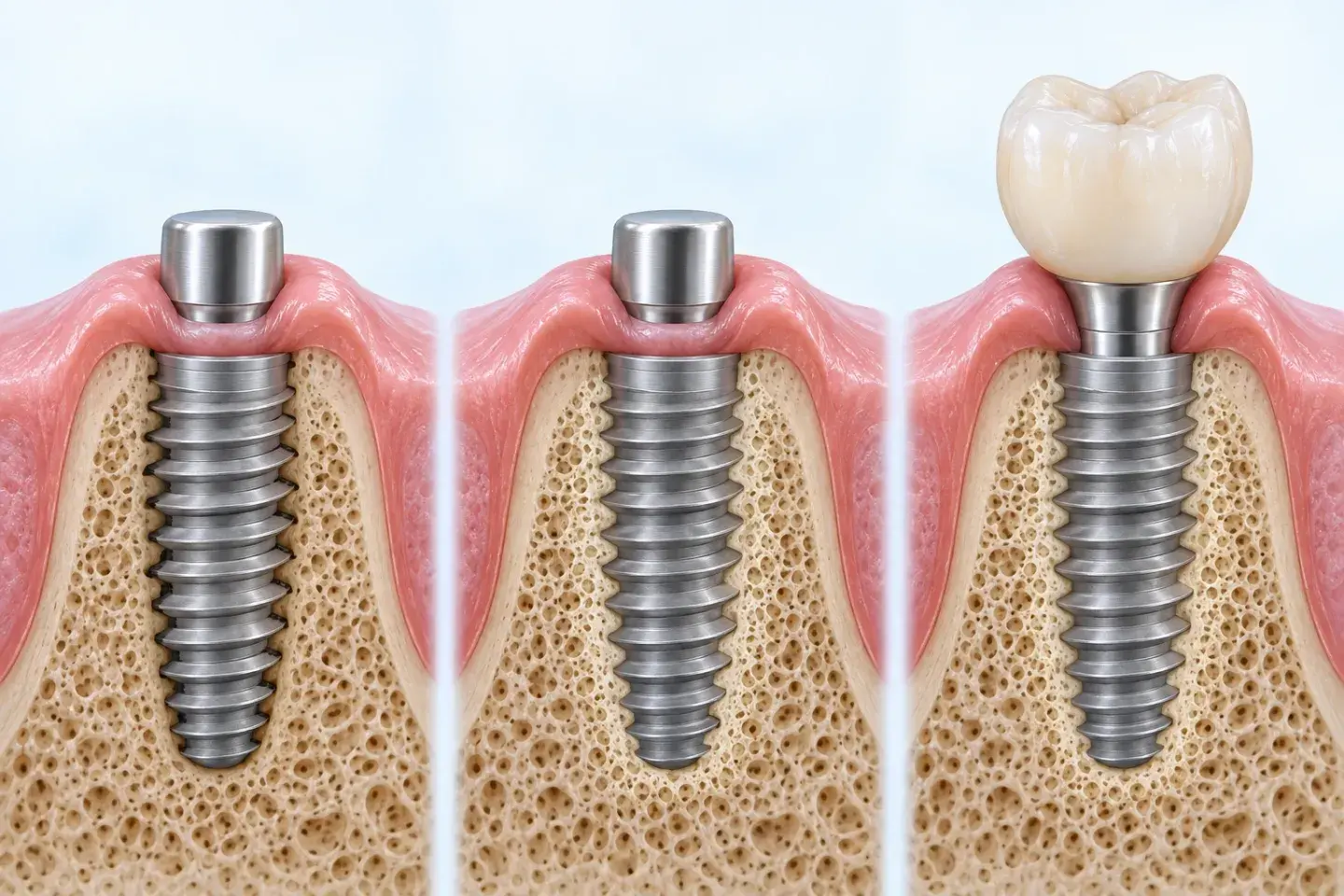
From placement to the final prosthesis, we expect about 3 months in the lower jaw and 4–6 months in the upper jaw. If an implant cannot be placed on the day of extraction, a wait of at least 2 months for front teeth and 3 months for molars is added. For a sinus lift, it takes about 4–5 months from the first surgery if the condition is good, 6–7 months if staged adaptation is needed, and 7–8 months in total if the lift is done first and the implant placed later. Yeonhap Dental Clinic explains the expected schedule at the first consultation.
17 · Cost
What determines it?
One non-covered implant costs MegaGen KRW 790,000, Dentis KRW 890,000, or Osstem BA KRW 990,000, including the fixture, a custom abutment, and the crown. Bone grafting and sinus lift are charged separately only when needed, and Yeonhap Dental Clinic gives an itemized estimate after a CT scan.
18 · Insurance
Where do you use the two covered implants?
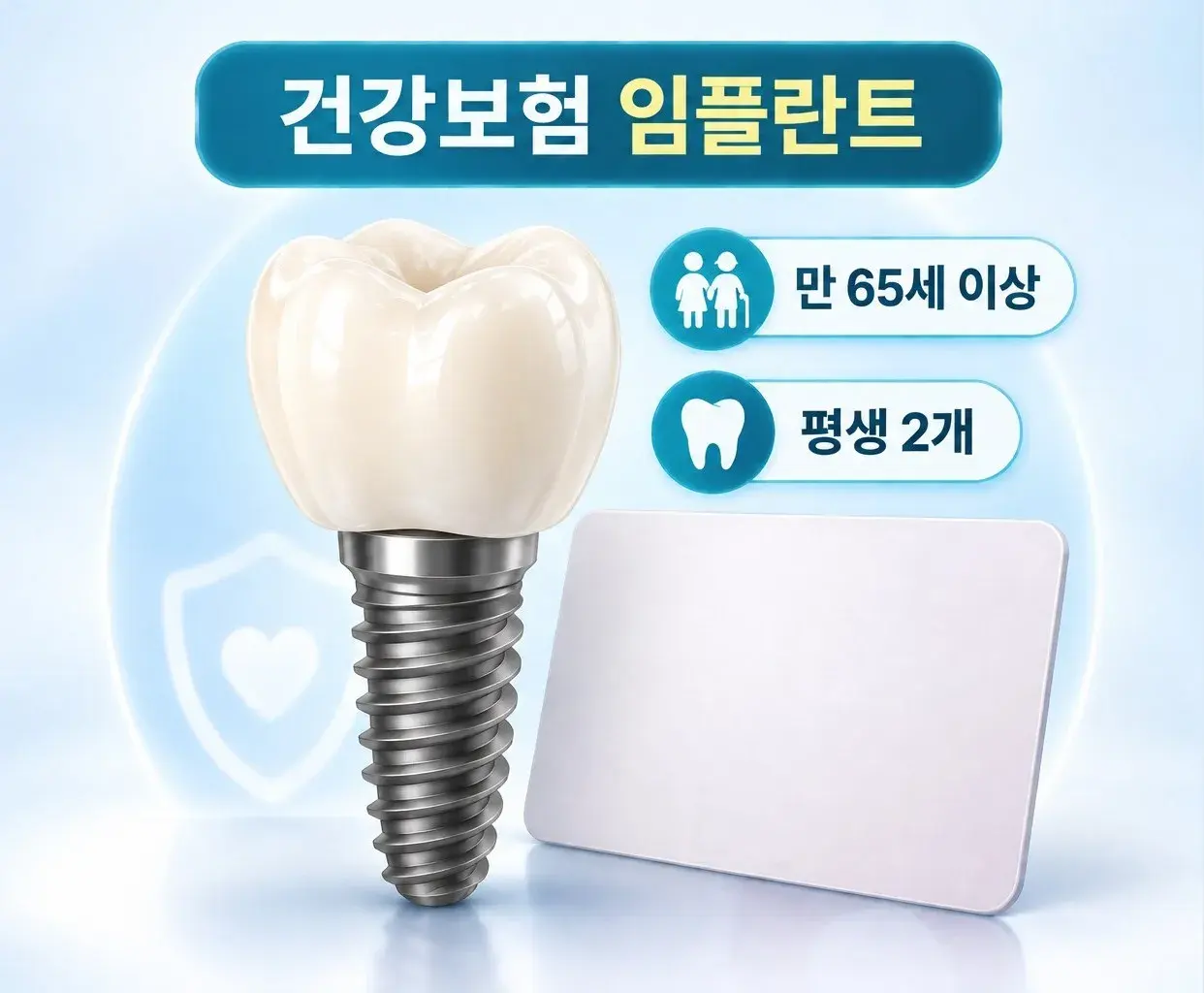
Currently, patients aged 65 or older who are partially edentulous are covered for 2 implants per lifetime, with a patient copayment of 30% under National Health Insurance, 10% for Medical Aid Type 1 and 20% for Type 2. Bone grafting and sinus lifts are not covered. Expansion of the 2-implant coverage to completely edentulous patients is scheduled for January 2027. Yeonhap Dental Clinic decides the sites after looking at your remaining teeth, bite and partial denture plan.
Indications
Implant treatment may be considered in the following situations.
Implant Guides
Columns
Evidence-based columns written every week by Integrated Dentistry specialists. If you wonder where the criteria in the guides came from, they continue here.
Before & After
Anyone can view the before-treatment record, and logged-in members can compare before and after photos. Results are not guaranteed to be the same and vary from person to person.
Checking your membership
Duration: 4개월
Full-Arch Implant
After-treatment photos are for members only

Checking your membership
Duration: approx. 3 months
Front Tooth Implant
After-treatment photos are for members only

Checking your membership
Duration: approx. 4 months
Full-Arch Implant
After-treatment photos are for members only
아래 치아 7개가 고름·흔들림으로 살리기 어려웠습니다. 세 조각 고정식도 가능했지만 90세가 넘은 연세, 위턱 부분틀니 계획, 가족 희망을 고려해 올온포를 택했습니다. 발치 당일 아래턱에 임플란트 4개를 심고 1주 뒤 임시치아, 3개월 뒤 최종 보철로 마쳤습니다. 위턱은 앞니 2개를 살려 부분틀니로 했습니다.
Clinic Facts
We use Osstem, Dentis and MegaGen implants. All three are Korean companies, so parts supply and repairs are quick, and Dr. Ahn Seong-jin (Chief Director) and Dr. Jeong Yun-sik (Clinical Director) are advisory dentists for Osstem and MegaGen implants. Which product is used is decided at your consultation according to the site and bone condition.
We do not provide orthodontics (including clear aligners), sleep or sedation implant surgery, or fillers. Palate anesthesia is done in four steps with added pressure, a low-speed drill is used, and we stop at any time if you raise your hand.
Reviews can be found on Naver Place and Google.
• 5F, Cham Clinic Building, 230 Geumho-ro, Gwonseon-gu, Suwon-si, Gyeonggi-do, Korea
• Mon 09:30–20:30 (evening hours)
• Tue–Fri 09:30–18:30
• Sat 09:00–13:00 (no lunch break)
• Closed: Sun, public holidays
• Weekday lunch break 13:00–14:00
• Parking in the Cham Clinic Building
Phone 031-293-2207 · Naver Booking
FAQ
Consultation inquiries 031-293-2207 · Naver Booking
Custom Abutment
Stock and custom abutments differ in form and fabrication. The choice is made after considering gum contour, bite, and the prosthetic plan.
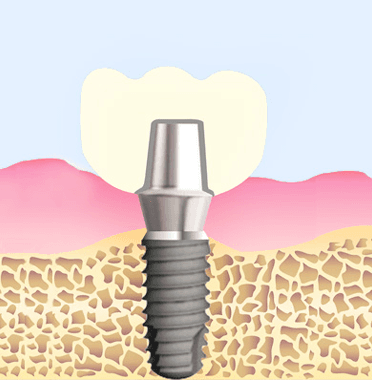
A standardized component whose use is reviewed with the oral condition and prosthetic plan in mind.
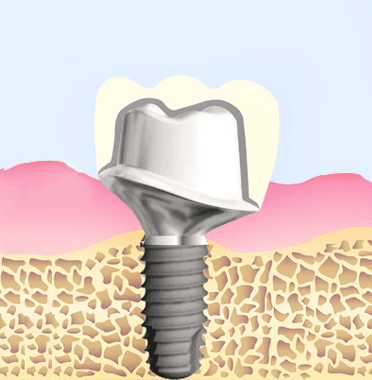
A fabrication approach planned around tooth and gum contours and bite; its use is decided from diagnostic findings and the prosthetic plan.
References
The references below are the scholarly basis for the text, selected by Dr. Ahn Seong-jin, Chief Director of Yeonhap Dental Clinic (Integrated Dentistry specialist). Treatment results may vary depending on each person's oral condition.
Buser D, Martin W, Belser UC Optimizing esthetics for implant restorations in the anterior maxilla: anatomic and surgical considerations. Int J Oral Maxillofac Implants. 2004;19 Suppl:43-61.
01 Front teeth — anatomic and surgical considerations for the esthetics of upper front-tooth implants. Basis for placing the implant inside the line of the incisal edges
Chen ST, Buser D Esthetic outcomes following immediate and early implant placement in the anterior maxilla--a systematic review. Int J Oral Maxillofac Implants. 2014;29 Suppl:186-215.
DOI 10.11607/jomi.2014suppl.g3.3 · PMID 24660198
01 Front teeth — esthetic outcomes of immediate and early placement in the upper front teeth, a systematic review. Gum recession of 1 mm or more in 26% of immediately placed front teeth
Lee JH, Frias V, Lee KW, et al. Effect of implant size and shape on implant success rates: a literature review. J Prosthet Dent. 2005;94(4):377-81.
DOI 10.1016/j.prosdent.2005.04.018 · PMID 16198176
02 Molars — literature review on diameter, length and shape. The 4.5–5.0 mm for molars is our clinic's own standard
Craddock HL, Youngson CC, Manogue M, et al. Occlusal changes following posterior tooth loss in adults. Part 1: a study of clinical parameters associated with the extent and type of supraeruption in unopposed posterior teeth. J Prosthodont. 2007;16(6):485-94.
DOI 10.1111/j.1532-849X.2007.00212.x · PMID 17559530
02 Molars — bite changes after loss of molars. Over-eruption of the opposing tooth, and why we place an implant even for a single missing 7th tooth
Monje A, Roccuzzo A, Buser D, et al. Influence of buccal bone wall thickness on the peri-implant hard and soft tissue dimensional changes: A systematic review. Clin Oral Implants Res. 2023;34(3):157-176.
DOI 10.1111/clr.14029 · PMID 36626118
03 Bone graft — systematic review of cheek-side bone thickness and hard and soft tissue changes around implants. Evidence that thin cheek-side bone leads to greater bone loss and gum recession
Wessing B, Lettner S, Zechner W Guided Bone Regeneration with Collagen Membranes and Particulate Graft Materials: A Systematic Review and Meta-Analysis. Int J Oral Maxillofac Implants. 2018;33(1):87–100.
DOI 10.11607/jomi.5461 · PMID 28938035
03 Bone graft — GBR with collagen membranes and particulate graft materials, systematic review and meta-analysis
Garcia J, Dodge A, Luepke P, et al. Effect of membrane exposure on guided bone regeneration: A systematic review and meta-analysis. Clin Oral Implants Res. 2018;29(3):328-338.
DOI 10.1111/clr.13121 · PMID 29368353
03 Bone graft — effect of membrane exposure on GBR outcomes, meta-analysis. Basis for protecting the membrane during the first 2 weeks
Sanz-Sánchez I, Ortiz-Vigón A, Sanz-Martín I, et al. Effectiveness of Lateral Bone Augmentation on the Alveolar Crest Dimension: A Systematic Review and Meta-analysis. J Dent Res. 2015;94(9 Suppl):128S-42S.
DOI 10.1177/0022034515594780 · PMID 26215467
03 Bone graft — review of lateral bone augmentation. Defect height decreased by an average of 4.28 mm with simultaneous grafting
Pjetursson BE, Tan WC, Zwahlen M, et al. A systematic review of the success of sinus floor elevation and survival of implants inserted in combination with sinus floor elevation. J Clin Periodontol. 2008;35(8 Suppl):216-40.
DOI 10.1111/j.1600-051X.2008.01272.x · PMID 18724852
04 Sinus lift — success of sinus lift and survival of implants placed with it, systematic review part 1 (lateral approach)
Tan WC, Lang NP, Zwahlen M, et al. A systematic review of the success of sinus floor elevation and survival of implants inserted in combination with sinus floor elevation. Part II: transalveolar technique. J Clin Periodontol. 2008;35(8 Suppl):241-54.
DOI 10.1111/j.1600-051X.2008.01273.x · PMID 18724853
04 Sinus lift — part 2 of the same review, crestal approach
Fan T, Li Y, Deng WW, et al. Short Implants (5 to 8 mm) Versus Longer Implants (>8 mm) with Sinus Lifting in Atrophic Posterior Maxilla: A Meta-Analysis of RCTs. Clin Implant Dent Relat Res. 2017;19(1):207-215.
DOI 10.1111/cid.12432 · PMID 27295262
04 Sinus lift — short implants (5–8 mm) in the upper molars versus longer implants with a sinus lift, meta-analysis. No large difference in survival (also applies to 02)
Shi S, Han L, Su J, et al. Clinical efficacy of transcrestal sinus floor augmentation, in comparison with lateral approach, in sites with residual bone height ≤6 mm: A systematic review and meta-analysis. Clin Oral Implants Res. 2023;34(11):1151-1175.
DOI 10.1111/clr.14155 · PMID 37548090
04 Sinus lift — crestal versus lateral approach in sites with limited remaining bone, meta-analysis
Kadkhodazadeh M, Alimardani Y, Azadi A, et al. Clinical outcomes of implants placed with transcrestal maxillary sinus elevation: a systematic review and meta-analysis. Br J Oral Maxillofac Surg. 2024;62(8):685-703.
DOI 10.1016/j.bjoms.2024.05.006 · PMID 39098575
04 Sinus lift — clinical outcomes of implants placed with crestal sinus elevation, systematic review and meta-analysis
Sirinirund B, Rodriguez Betancourt AB, Scaini R, et al. Minimally Invasive Sinus Augmentation: A Systematic Review. Clin Implant Dent Relat Res. 2025;27(1):e13403.
DOI 10.1111/cid.13403 · PMID 39474831
04 Sinus lift — minimally invasive sinus augmentation, systematic review. Includes hydraulic elevation
Lang NP, Pun L, Lau KY, et al. A systematic review on survival and success rates of implants placed immediately into fresh extraction sockets after at least 1 year. Clin Oral Implants Res. 2012;23 Suppl 5:39-66.
DOI 10.1111/j.1600-0501.2011.02372.x · PMID 22211305
05 Immediate placement — survival and success rates of implants placed immediately into fresh extraction sockets, systematic review. The figures when conditions are met
Kanno T, Carlsson GE A review of the shortened dental arch concept focusing on the work by the Käyser/Nijmegen group. J Oral Rehabil. 2006;33(11):850-62.
DOI 10.1111/j.1365-2842.2006.01625.x · PMID 17002745
07·08 — review of the shortened dental arch concept. The 12-tooth design up to the 6th tooth is our clinic's own standard
Esposito M, Grusovin MG, Maghaireh H, et al. Interventions for replacing missing teeth: different times for loading dental implants. Cochrane Database Syst Rev. 2013;2013(3):CD003878.
DOI 10.1002/14651858.CD003878.pub5 · PMID 23543525
07·08 — Cochrane review comparing outcomes by the timing of implant loading
Soto-Penaloza D, Zaragozí-Alonso R, Penarrocha-Diago M, et al. The all-on-four treatment concept: Systematic review. J Clin Exp Dent. 2017;9(3):e474-e488.
DOI 10.4317/jced.53613 · PMID 28298995
07 Whole mouth · 08 All-on-X — the all-on-four treatment concept, systematic review
Malo P, de Araújo Nobre M, Lopes A, et al. A longitudinal study of the survival of All-on-4 implants in the mandible with up to 10 years of follow-up. J Am Dent Assoc. 2011;142(3):310-20.
DOI 10.14219/jada.archive.2011.0170 · PMID 21357865
07 Whole mouth · 08 All-on-X — survival of lower-jaw All-on-4 implants with up to 10 years of follow-up
Maló P, de Araújo Nobre M, Lopes A, et al. "All-on-4" immediate-function concept for completely edentulous maxillae: a clinical report on the medium (3 years) and long-term (5 years) outcomes. Clin Implant Dent Relat Res. 2012;14 Suppl 1:e139-50.
DOI 10.1111/j.1708-8208.2011.00395.x · PMID 22008153
07 Whole mouth · 08 All-on-X — All-on-4 immediate function for completely edentulous upper jaws, medium-term outcomes
Howe MS, Keys W, Richards D Long-term (10-year) dental implant survival: A systematic review and sensitivity meta-analysis. J Dent. 2019;84:9-21.
DOI 10.1016/j.jdent.2019.03.008 · PMID 30904559
07 Whole mouth · 08 All-on-X — 10-year implant survival, systematic review and sensitivity meta-analysis
Feine JS, Carlsson GE, Awad MA, et al. The McGill consensus statement on overdentures. Mandibular two-implant overdentures as first choice standard of care for edentulous patients. Montreal, Quebec, May 24-25, 2002. Int J Oral Maxillofac Implants. 2002;17(4):601-2.
09 Implant denture — McGill consensus statement. Background evidence that a two-implant overdenture is the first-choice standard for the edentulous lower jaw. Not direct evidence for the method of attaching a partial denture to a bridge (IARPD) or for the Korean coverage allocation
Schwarz F, Derks J, Monje A, et al. Peri-implantitis. J Clin Periodontol. 2018;45 Suppl 20:S246-S266.
DOI 10.1111/jcpe.12954 · PMID 29926484
10 Revision surgery — definition and diagnosis of peri-implantitis, 2017 World Workshop consensus
Sennerby L, Meredith N Implant stability measurements using resonance frequency analysis: biological and biomechanical aspects and clinical implications. Periodontol 2000. 2008;47:51-66.
DOI 10.1111/j.1600-0757.2008.00267.x · PMID 18412573
10 Revision surgery — comparing changes in implant stability using the stability value (ISQ)
Derks J, Tomasi C Peri-implant health and disease. A systematic review of current epidemiology. J Clin Periodontol. 2015;42 Suppl 16:S158-71.
DOI 10.1111/jcpe.12334 · PMID 25495683
10 Revision surgery — prevalence of peri-implant disease, systematic review. About 22% by patient
Jepsen S, Berglundh T, Genco R, et al. Primary prevention of peri-implantitis: managing peri-implant mucositis. J Clin Periodontol. 2015;42 Suppl 16:S152-7.
DOI 10.1111/jcpe.12369 · PMID 25626479
10 Revision surgery — primary prevention of peri-implantitis, managing peri-implant mucositis
Zhou W, Wang F, Monje A, et al. Feasibility of Dental Implant Replacement in Failed Sites: A Systematic Review. Int J Oral Maxillofac Implants. 2016;31(3):535-45.
DOI 10.11607/jomi.4312 · PMID 27183062
10 Revision surgery — systematic review of the outcomes and risk factors of re-placing an implant at a failed site
Monje A, Aranda L, Diaz KT, et al. Impact of Maintenance Therapy for the Prevention of Peri-implant Diseases: A Systematic Review and Meta-analysis. J Dent Res. 2016;95(4):372-9.
DOI 10.1177/0022034515622432 · PMID 26701350
Aftercare (reading) — effect of maintenance on preventing peri-implant disease, meta-analysis
Chrcanovic BR, Albrektsson T, Wennerberg A. Smoking and dental implants: A systematic review and meta-analysis. J Dent. 2015;43(5):487-98.
DOI 10.1016/j.jdent.2015.03.003 · PMID 25778741
15 Lifespan and aftercare — smoking and implant failure, meta-analysis. About twice the risk of failure in smokers
Katafuchi M, Weinstein BF, Leroux BG, et al. Restoration contour is a risk indicator for peri-implantitis: A cross-sectional radiographic analysis. J Clin Periodontol. 2018;45(2):225-232.
DOI 10.1111/jcpe.12829 · PMID 28985447
12 Side effects · 14 Depth, angle and prosthesis shape — association between a prosthesis emergence angle over 30 degrees and peri-implantitis (cross-sectional study). Evidence of association, not causation
Nohra J, Dagher M, Matni G, et al. Effect of Primary Stability and Soft- and Hard-Tissue Thickness on Marginal Bone Loss: A Prospective Pilot Study. Implant Dent. 2018;27(5):542-546.
DOI 10.1097/ID.0000000000000810 · PMID 30188364
03 Bone graft — marginal bone loss one year after prosthesis connection was 0.36 mm in the group with under 2 mm of cheek-side bone at placement and 0.03 mm in the group with 2 mm or more. Prospective pilot study of 39 implants
Leave a few details on our consultation page and we'll get back to you promptly.