WISDOM TOOTH

Wisdom Tooth Extraction

Even complex impacted wisdom teeth — handled comfortably. Both simple and surgical extractions covered.

Overview

Wisdom teeth growing in the wrong direction or without enough room — extracted at the right time

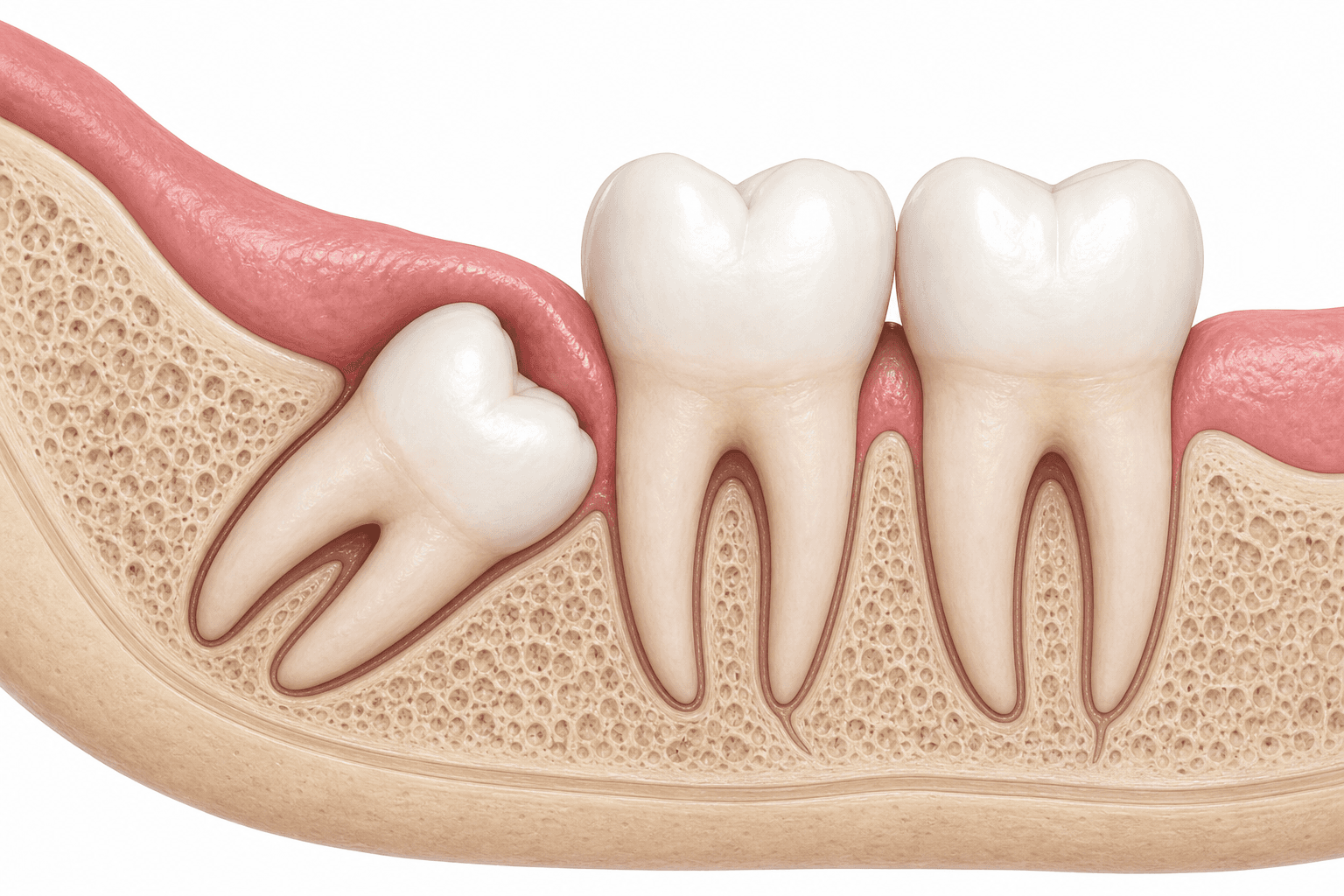
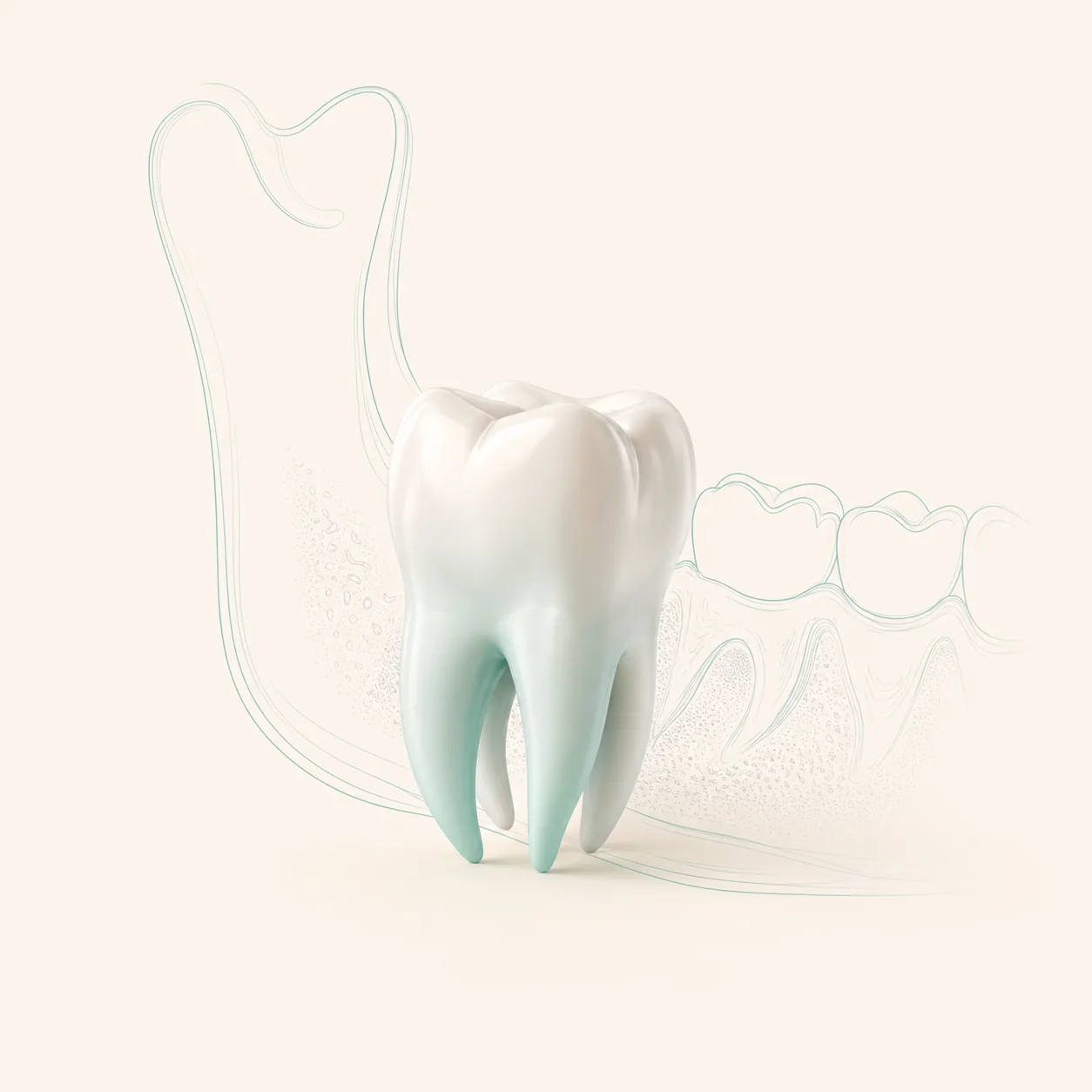
Wisdom teeth are the third molars at the very back of the dental arch, typically emerging in the late teens to early twenties. When space is insufficient or they grow at an abnormal angle, they can cause pain, inflammation, and damage to adjacent teeth — making extraction appropriate in such cases.

Extraction Types

Types of Wisdom Tooth Extraction

The extraction method varies depending on the position and condition of the wisdom tooth.

Simple Extraction

Simple Extraction

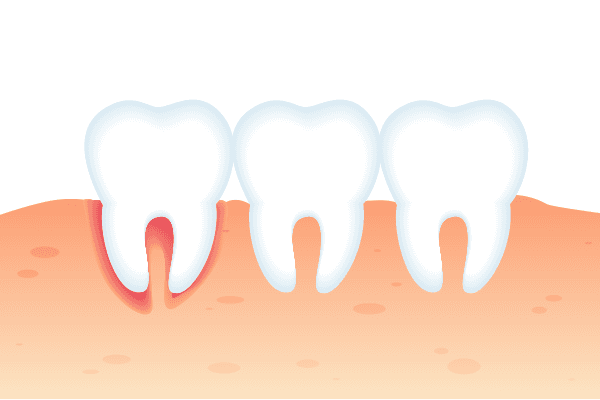
When there is enough space behind the molars and the wisdom tooth has fully erupted in a straight position, extraction is relatively straightforward.

Surgical Extraction

Surgical Extraction

When the wisdom tooth is impacted in the gum or bone and cannot erupt normally, a surgical incision is required for extraction.

Aftercare

Post-Extraction Aftercare

Please follow these guidelines carefully to support your recovery.

  • Do not spit — swallow saliva and blood to support clotting.
  • Eat lukewarm, soft foods until the area has healed.
  • Avoid smoking and alcohol until you have fully recovered.
  • Avoid activities that raise body temperature, such as saunas and exercise.

Schedule a consultation by phone or Naver Booking

Leave a few details on our consultation page and we'll get back to you promptly.

Frequently Asked Questions

Q. Do all wisdom teeth need to be extracted?
Not necessarily. If a wisdom tooth erupts straight, functions normally, and does not affect adjacent teeth, it can be preserved. Extraction is generally recommended when the tooth is impacted (buried in gum or bone), tilted against the adjacent molar, or causing recurring gingivitis, decay, or cyst formation. Accurate decisions require panoramic or 3D CT imaging to assess the nerve canal location and impaction angle.
Q. How long is recovery after wisdom tooth extraction?
Simple extractions allow return to daily activities within 2–3 days, with most healing within a week. Impacted wisdom teeth or cases requiring incision typically need 7–10 days of recovery, with swelling, bruising, and soreness during the first 2–3 days. Avoid hard or hot foods, smoking, intense exercise, and straw use on the day of extraction to prevent dry socket.
Q. Is there a risk of nerve damage during wisdom tooth extraction?
Lower wisdom teeth often sit close to the inferior alveolar nerve (which provides sensation to the lower lip and chin), and extraction without precise diagnosis carries a nerve injury risk. Yeonhap Dental uses 3D CT to evaluate the spatial relationship between the nerve canal and the tooth's roots; in high-risk cases, we may recommend coronectomy (partial extraction) or a staged approach.
Q. How much does wisdom tooth extraction cost?
With National Health Insurance, simple extraction is generally KRW 10,000–30,000, while impacted wisdom tooth extraction ranges from KRW 50,000–150,000. Costs vary with impaction depth, proximity to the nerve canal, and surgical complexity. We provide an accurate quote during your pre-extraction consultation based on X-ray and 3D CT findings.