ENDODONTICS

Root Canal

Before considering extraction, we review whether preserving the natural tooth is possible and explain a treatment plan based on the diagnosis.

Overview

Reviewing conservative treatment for your tooth condition

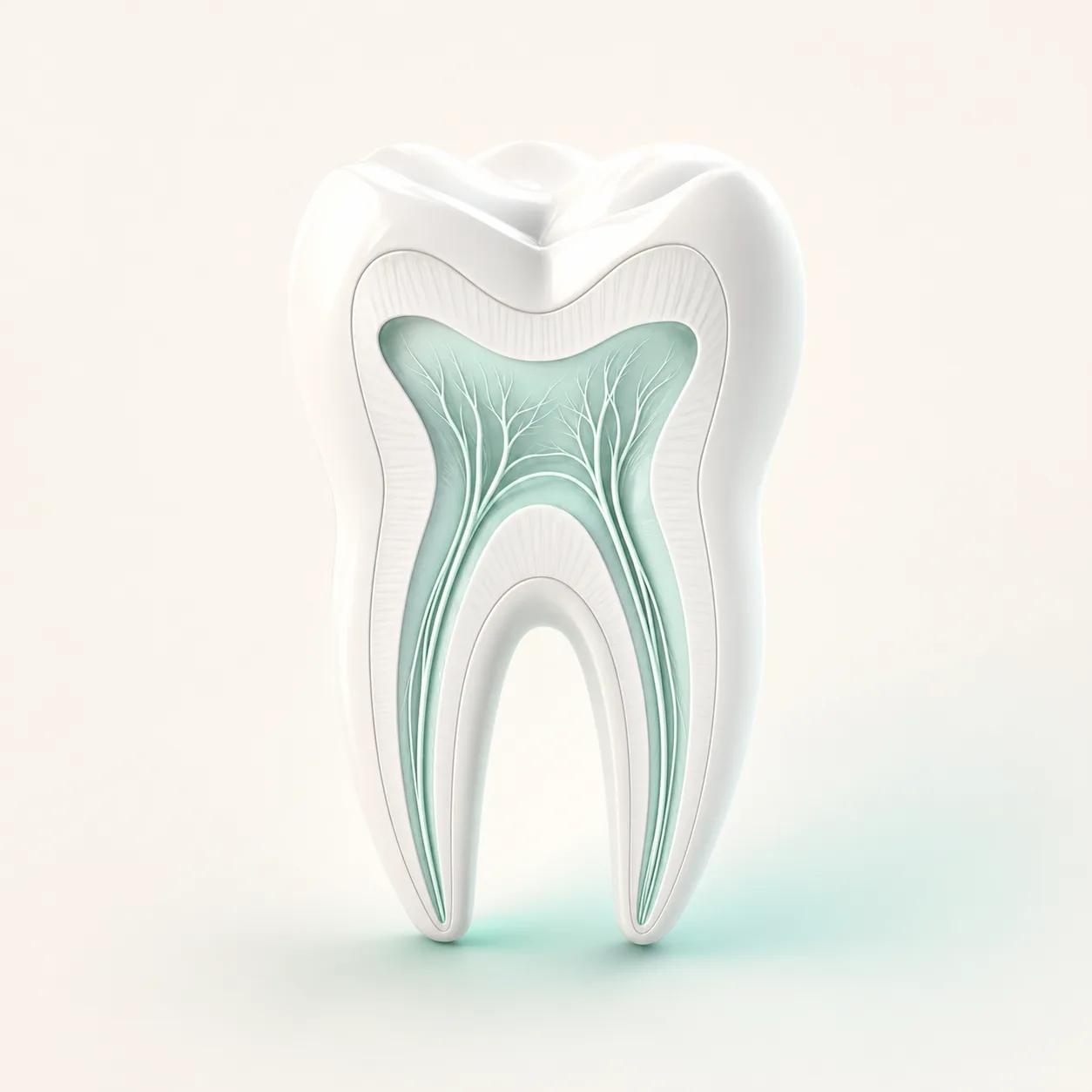
Root canal therapy treats a tooth with inflammation or damage in the pulp by assessing its condition and cleaning the inside of the tooth. The need for treatment and protection afterward are explained based on factors such as the extent of decay, trauma, and remaining tooth structure.

YEONHAP CARE

What Matters at Yeonhap

We review the appropriate approach together based on your tooth condition and treatment plan.

  • Reviewing Preservation Before Extraction

    Before extraction, we review whether the natural tooth may be preserved based on its condition. The approach depends on the diagnosis.

  • Reviewing Rubber-Dam and MTA Use

    For thorough moisture control and disinfection, a rubber dam is used on every tooth during root-canal treatment, and MTA use for pulpotomy is reviewed when needed.

  • Local Anesthesia Based on the Treatment Area

    For areas such as upper molars, we review the local-anesthesia approach, including the palatal area when needed, based on the treatment site and individual condition.

Process

Root Canal Treatment in 4 Steps

The infected canal is precisely removed and disinfected, then filled and protected with a prosthetic restoration.

Infected Tooth

STEP 01

Infected Tooth

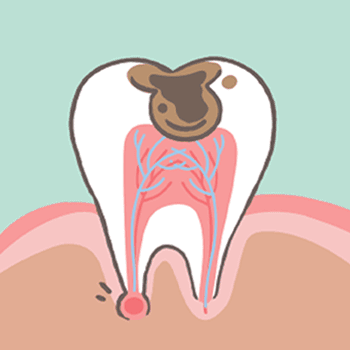
Decay is removed and the extent of nerve damage is assessed.

Canal Removal

STEP 02

Canal Removal

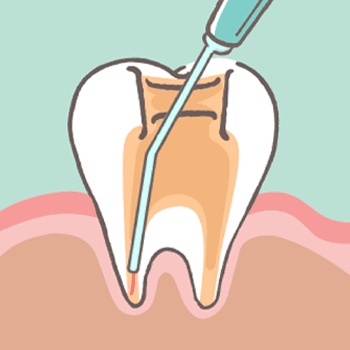
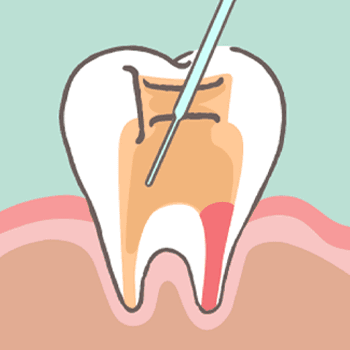
Inflamed pulp tissue is precisely removed from the root canal.
Disinfection & Fill

STEP 03

Disinfection & Fill

The canal is disinfected, irrigated, and filled with dental-grade material.
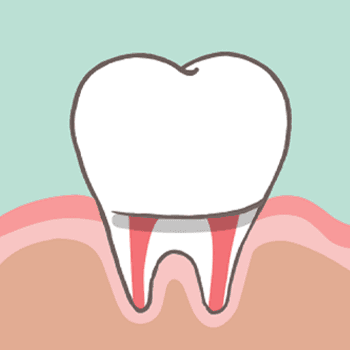
Prosthetic Protection

STEP 04

Prosthetic Protection

A prosthetic restoration is placed to protect the treated tooth.

Indications

When Root Canal Treatment Is Needed

Root canal therapy may be considered when you experience any of the following.

  • Recurrent decay in a previously treated area
  • Deep cavity where infection has spread to the nerve
  • Significant tooth reduction required for a prosthetic crown
  • Heightened sensitivity to cold or hot foods and drinks
  • Tooth crack or fracture caused by a strong impact

Schedule a consultation by phone or Naver Booking

Leave a few details on our consultation page and we'll get back to you promptly.

Frequently Asked Questions

Q. Can root canal treatment save my tooth?
Unfortunately, root canal treatment cannot save every tooth. Extraction may be needed when there is a vertical root fracture extending into the root or severe periodontal disease with substantial bone loss. Yeonhap Dental Clinic evaluates the possibility of preservation using an oral examination and diagnostic information such as 3D CT when indicated. When root canal treatment is appropriate, a rubber dam is used to isolate the area and reduce salivary contamination.
Q. How does MTA root canal treatment differ from conventional treatment?
MTA (Mineral Trioxide Aggregate) is a material that may be used in root canal or pulp-preservation treatment because of its sealing, antimicrobial, and biocompatibility properties. It is not suitable in every case. When the pulp's condition and the extent of infection meet the indications, vital pulp therapy with MTA may be considered to preserve healthy pulp tissue. The need for full root canal treatment and MTA use is explained after diagnosis.
Q. How many visits does root canal treatment require?
The number of visits varies with tooth location, canal anatomy, and inflammation, and is often two to four visits. Working-length measurement, cleaning, disinfection, and filling are completed in stages. More visits may be needed when inflammation near the root tip is severe or the canal anatomy is complex. We explain the expected process and progress after diagnosis.
Q. Do I need a crown after root canal treatment?
A root-treated tooth may have less remaining structure after decay and treatment, which can increase fracture risk. For molars that receive substantial chewing force, a crown or another restoration may be recommended after the remaining tooth and bite are reviewed. The same restoration is not required for every tooth. After fitting, the clinical team checks and adjusts the bite so force is not concentrated in one area.
Q. Is discomfort during or after root canal treatment expected?
Some tenderness or sensitivity when biting can occur for several days while the tissues near the root tip recover after the canal is cleaned. The degree and duration vary with the tooth and treatment scope. Take prescribed medicine as directed. If pain worsens or gum swelling or fever develops, contact the clinic promptly for an assessment.
Q. Can a previously treated tooth receive root canal retreatment?
Symptoms can recur because of reinfection inside a canal, a missed canal, leakage around a restoration, or a tooth crack. Before moving directly to extraction, we review the tooth and surrounding bone to determine whether root canal retreatment is possible. When appropriate, a rubber dam isolates the area while existing material is removed and the canal disinfected. MTA may be used where clinically indicated.