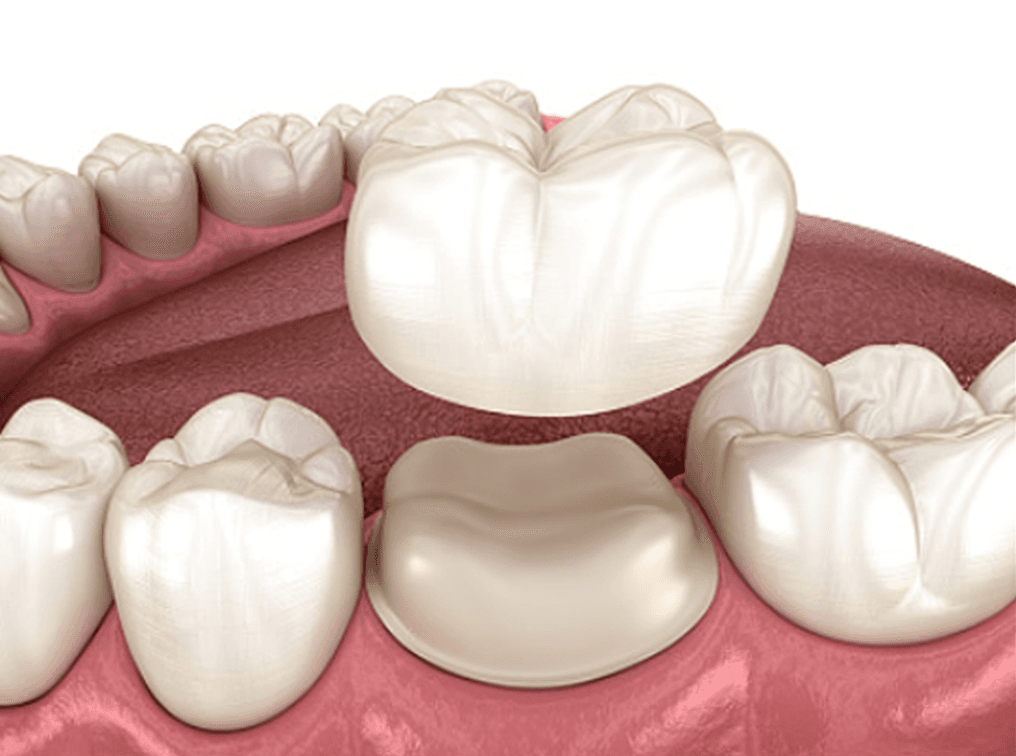
PROSTHETICS

Prosthetics

We review your gum condition and bite to explain your prosthetic treatment plan.

Overview

Restoring the form and function of damaged teeth with prosthetics

Prosthetic treatment uses restorations to help recover function when teeth are damaged or missing because of decay, nerve injury, gum disease, or trauma. Before treatment, we review the remaining teeth, gums, chewing force, and bite, then explain the restoration options and materials based on the examination and individual condition.

Yeonhap Care

What Matters at Yeonhap

We explain the factors to review before prosthetic treatment and how to care for restorations afterward.

  • Reviewing Teeth, Gums, and Bite

    We review the remaining teeth, gums, chewing force, and bite to discuss the scope and sequence of prosthetic treatment.

  • Trios 6 Digital Intraoral Scanning

    This latest 3D digital intraoral scanner replaces conventional impressions to reduce gagging and distortion, narrowing error to within 0.1 mm and minimizing chair time.

  • Q-Ray Diagnostic Use

    We actively use Q-Ray in diagnosis to identify progressing cracks early, helping prevent sudden crown fractures and avoid extraction.

Treatment Types

Types of Prosthetic Treatment

We review restoration approaches, such as inlays, crowns, and bridges, based on the extent and location of damage and examination findings.

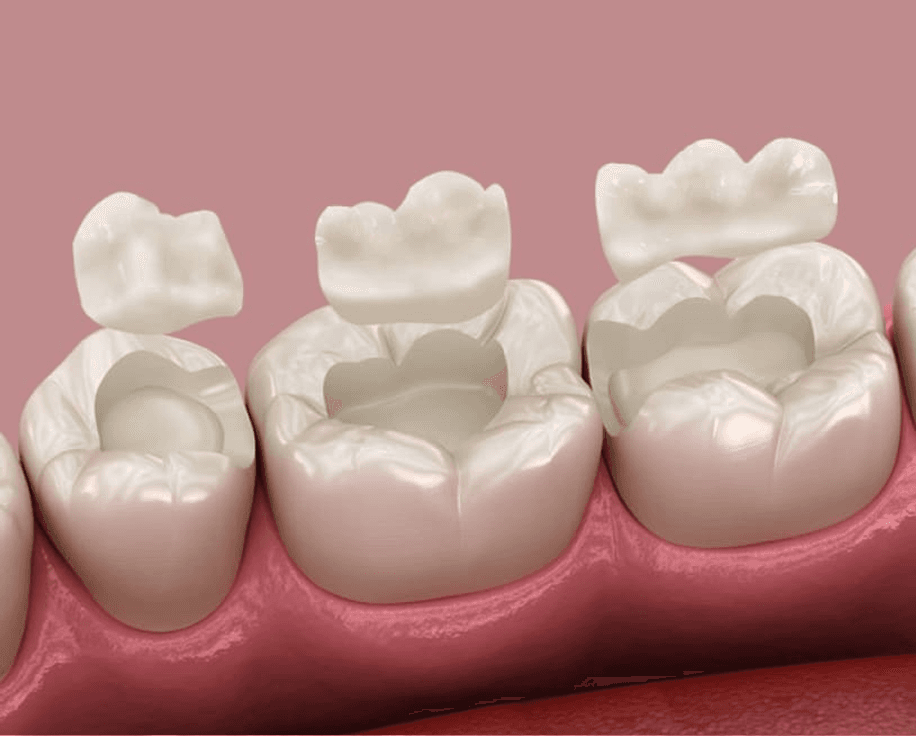
Inlay

Inlay

Decayed tooth material is cleanly removed and a custom-made ceramic restoration is fitted into the cavity to restore shape and chewing function

Crown

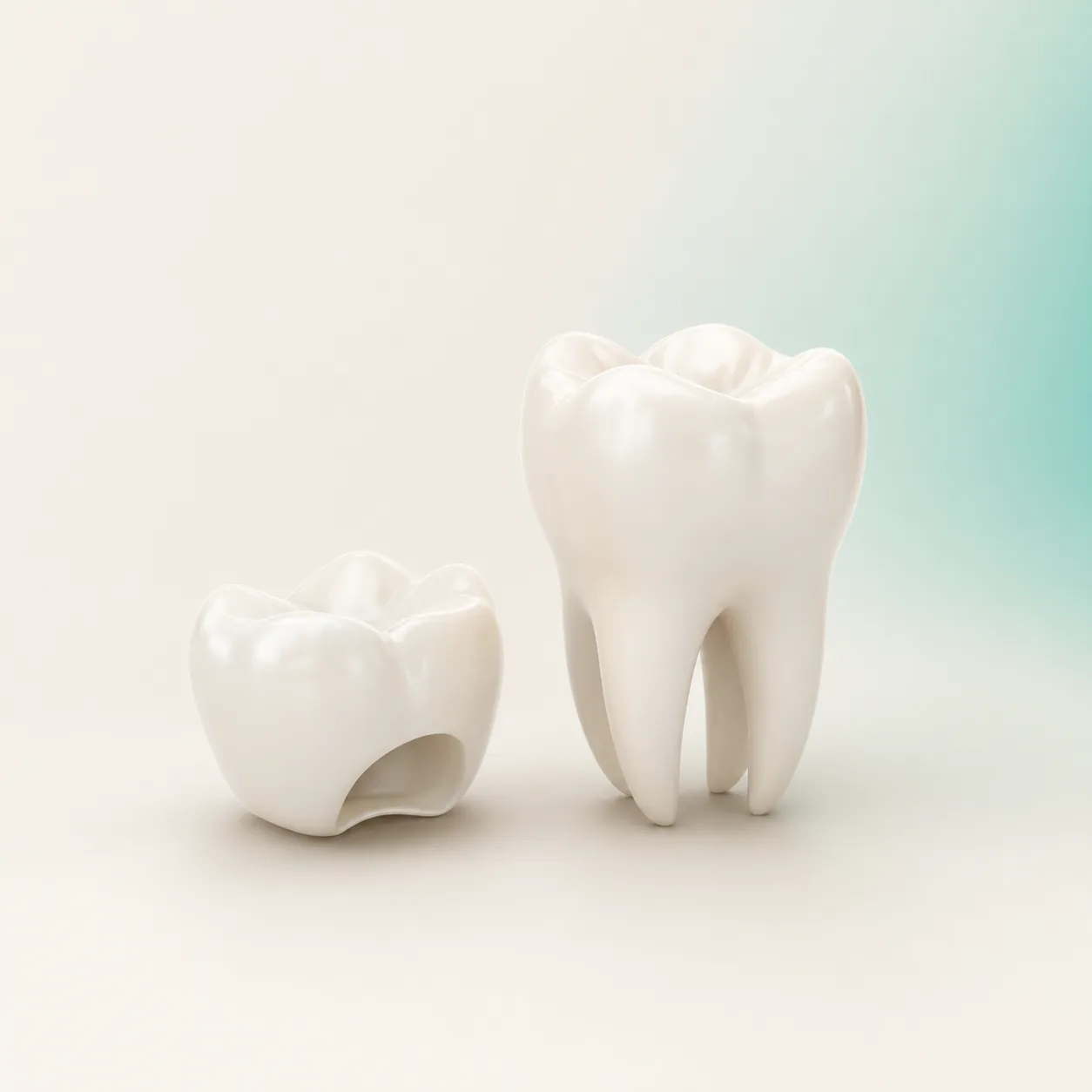
Crown

The damaged tooth is shaped and then capped with an artificial prosthesis to protect and reinforce its function and appearance
Bridge

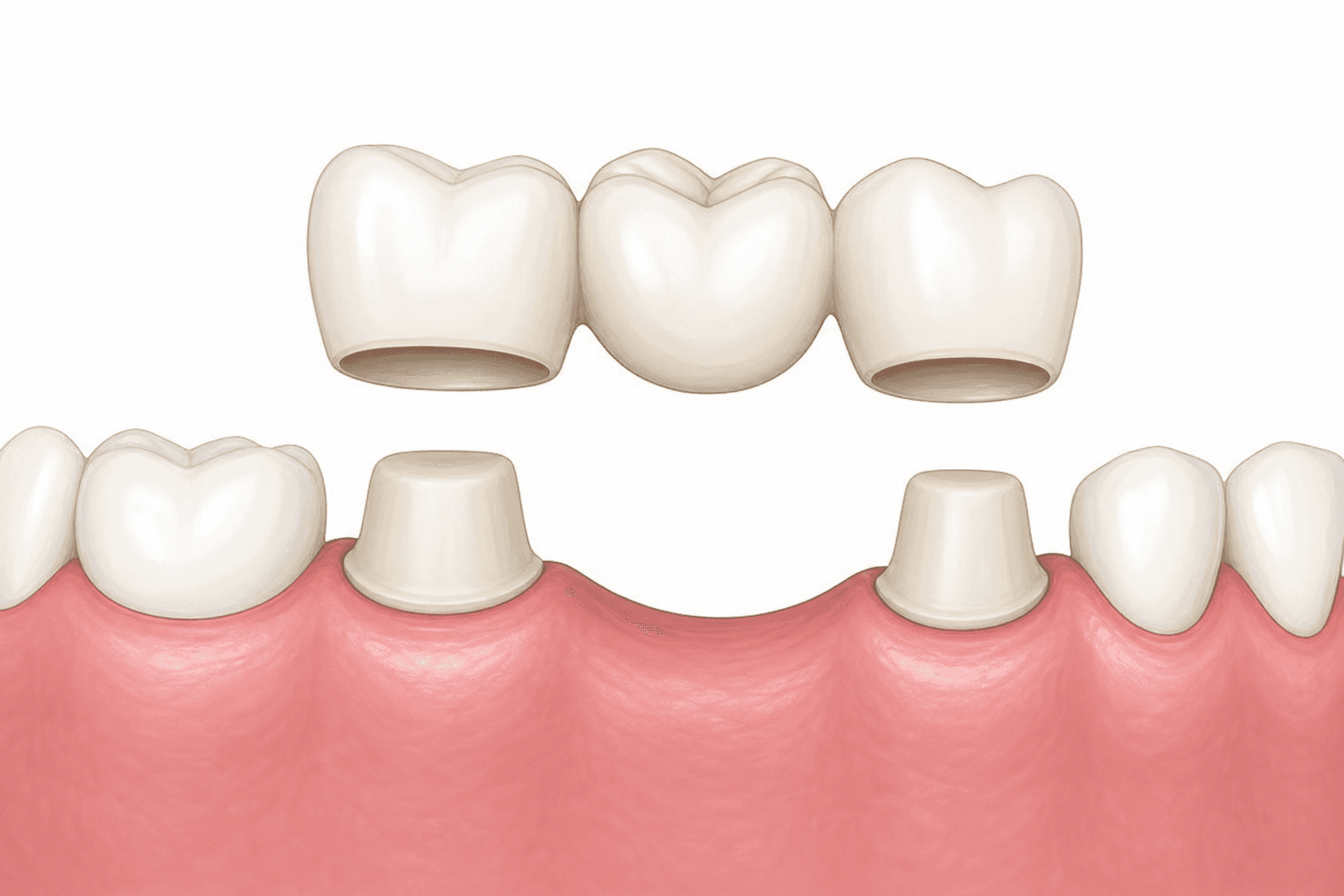
Bridge

When one or more teeth are missing, adjacent healthy teeth serve as anchors for an artificial tooth to restore function and aesthetics

Crown Materials

Crown Material Comparison

Material selection considers tooth location, bite, aesthetic needs, gum condition, and the treatment plan. Characteristics are explained after assessment.
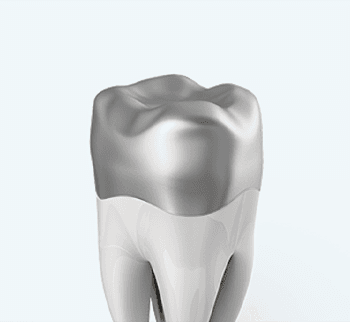
Metal

Metal

Cost-effective and durable, but aesthetics may be a concern and gum irritation is possible in some patients.
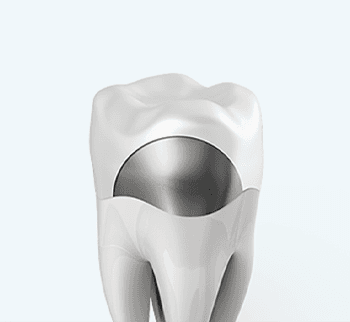
PFM (Porcelain-Fused-to-Metal)

PFM (Porcelain-Fused-to-Metal)

A porcelain-veneered metal restoration used in specific clinical situations.
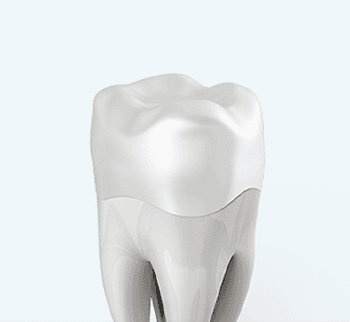
Zirconia

Zirconia

One metal-free material option. Its suitability and characteristics are discussed after reviewing tooth location, bite, and aesthetic needs.

Schedule a consultation by phone or Naver Booking

Leave a few details on our consultation page and we'll get back to you promptly.

Frequently Asked Questions

Q. What are the advantages of zirconia crowns?
Zirconia is a metal-free restoration material considered for its appearance and strength. Because it is hard, surface condition and bite can affect wear on the opposing tooth, making careful polishing and bite adjustment important. Yeonhap Dental Clinic uses digital intraoral scan data to review restoration fit, and the clinical team checks the surface and bite.
Q. How long do crowns last?
Crowns and similar restorations are often reported to last about 7-10 years on average, but the actual period varies with the remaining tooth and gums, fit, bonding, bite, habits, and care. At fitting, the clinical team adjusts the bite. Regular reviews include checks of the gum margin and signs of recurrent decay beneath the restoration.
Q. Why may e.max ceramic be selected for an inlay?
Inlay material should be selected after reviewing the remaining tooth, lesion extent, bite force, and the amount of enamel available for bonding. When indicated, Yeonhap Dental Clinic first considers e.max ceramic because it can be resin-bonded after etching and silane treatment and has properties similar to natural tooth structure. Gold, resin, and zirconia each have their own advantages and indications, so no single material is applied uniformly; the reason for the selection is explained after diagnosis.
Q. What should I do if my crown feels loose?
Several causes are possible, including weakened cement or recurrent decay in the tooth beneath the restoration. Leaving it unchecked can allow further damage to the remaining tooth, so arrange an examination. Based on the oral examination and imaging when needed, we explain whether recementation, replacement, or additional treatment should be considered.
Q. When can I eat after a crown is placed?
To allow the cement to set and anesthesia to wear off, patients are generally advised to eat after one to two hours and only when numbness has fully resolved. Timing can vary with the material and bonding method, so follow the instructions provided on the day. Avoid hard or sticky foods, and return for a bite check if the restoration feels high or uncomfortable.