DIGITAL SYSTEM

Digital Equipment

Diagnostic equipment and digital records, including Trios 6, 3D CT, Q-Ray and i-JECT, help us review the current condition and explain the care plan.

9 Devices

Yeonhap Digital System

These are devices used by our two Integrated Dentistry specialists. Each card explains when and how we use it in our clinic.

Trios 6

Digital Scan

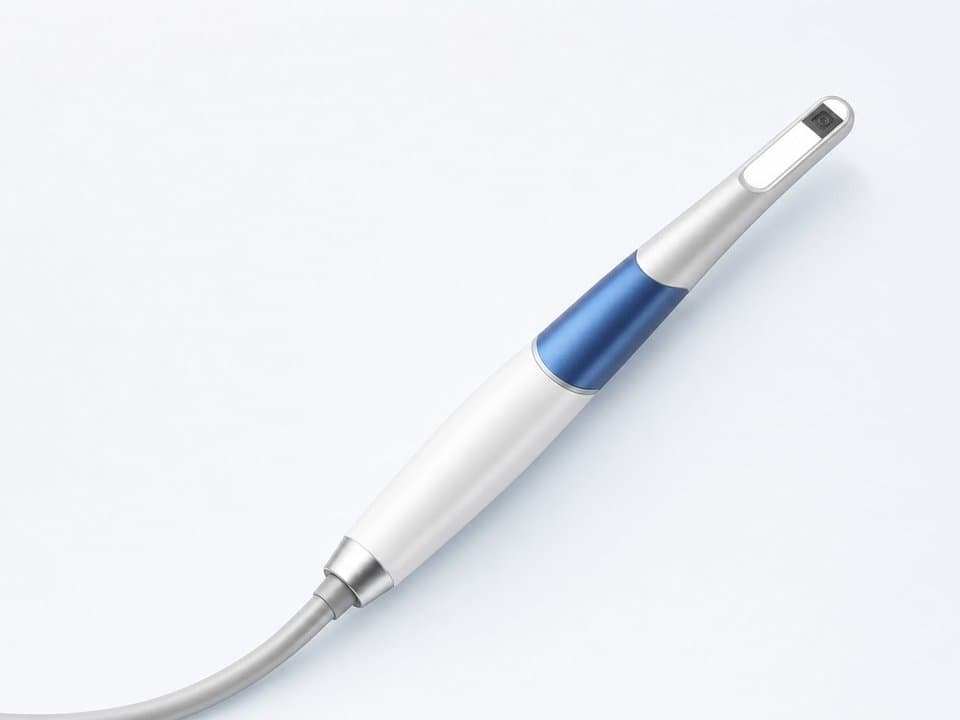
Trios 6

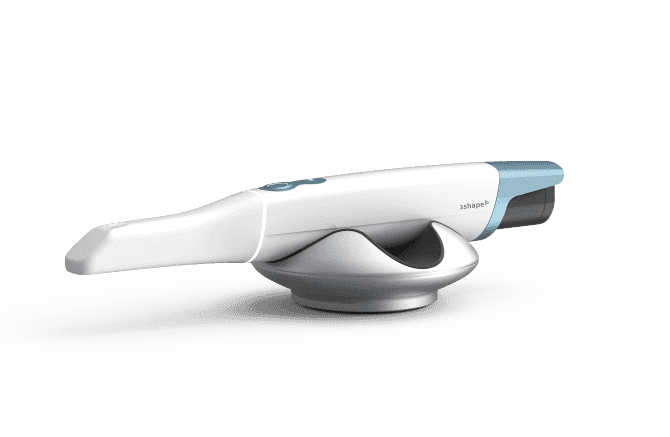
Instead of holding impression material in the mouth while it sets, we take an impression with a scanner. We can review the scan together on screen immediately and record how the teeth meet.

Expand
  • There is no need to hold impression material in the mouth while it hardens. If an area is missed, we scan it again immediately.
  • We record the bite with the upper body upright and the head slightly tilted back, rather than lying down, to guide the height of the prosthesis.
  • We use it for crowns, inlays and implant prostheses; the scan cost is included in the prosthetic fee.
3D CT

Diagnosis

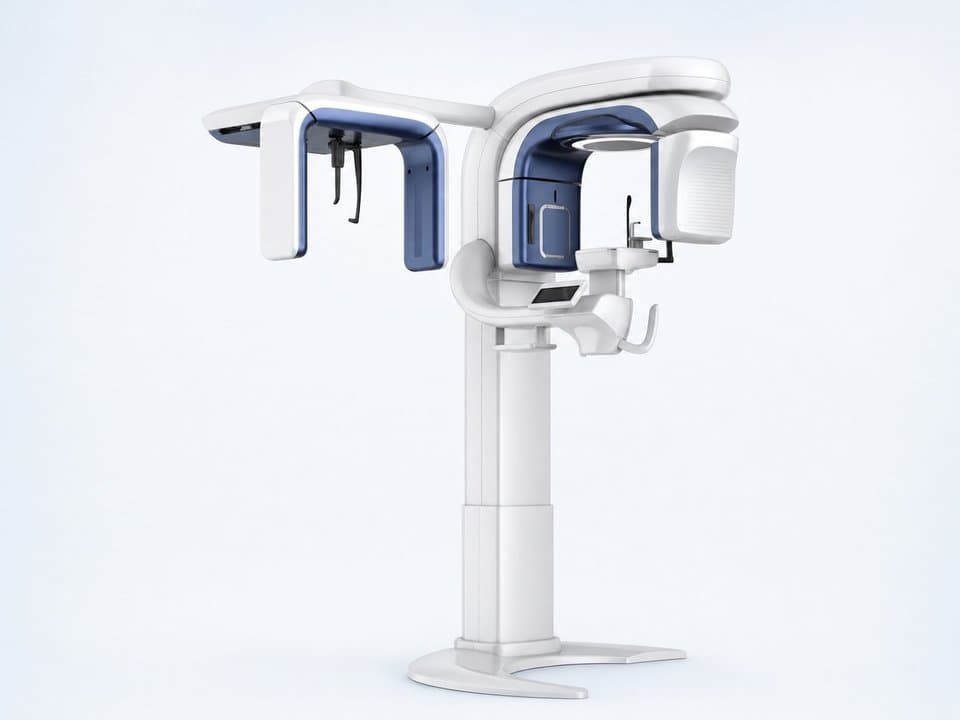
3D CT

A three-dimensional scan shows bone thickness, the positions of the nerve canal and maxillary sinus, and root shape that ordinary radiographs may not show clearly. We take it when needed for implant planning, impacted wisdom tooth extraction or complex root canal anatomy such as a C-shaped canal.

Expand
  • For implants, we measure whether 2 mm of bone remains on the cheek side and 1.5 mm on the tongue side to decide whether a bone graft is needed.
  • For upper molars, we check whether 7 mm remains to the maxillary sinus; for lower molars, whether 5 mm remains above the nerve canal. We then consider a sinus lift or short implant.
  • For an impacted wisdom tooth, we check the distance between its root and the nerve canal before deciding how to extract it.
  • We take a CT for root canal treatment when anatomy is complex, such as a C-shaped canal, or a root-tip lesion needs closer review. We do not take one for every root canal treatment.
Q-Ray

Caries Detection

Q-Ray

This fluorescence camera uses light without ionizing radiation. It displays possible early decay, cracks and plaque that may be hard to judge by eye. We review the image together with you before deciding whether to treat or monitor.

Expand
  • We keep an image so we can compare the same area at the next check-up.
  • A fluorescence finding alone does not mean drilling immediately. We also consider symptoms, the oral examination and radiographs.
  • There is no separate fee for a Q-Ray examination.
Automated anesthesia device (i-JECT)

Anesthesia

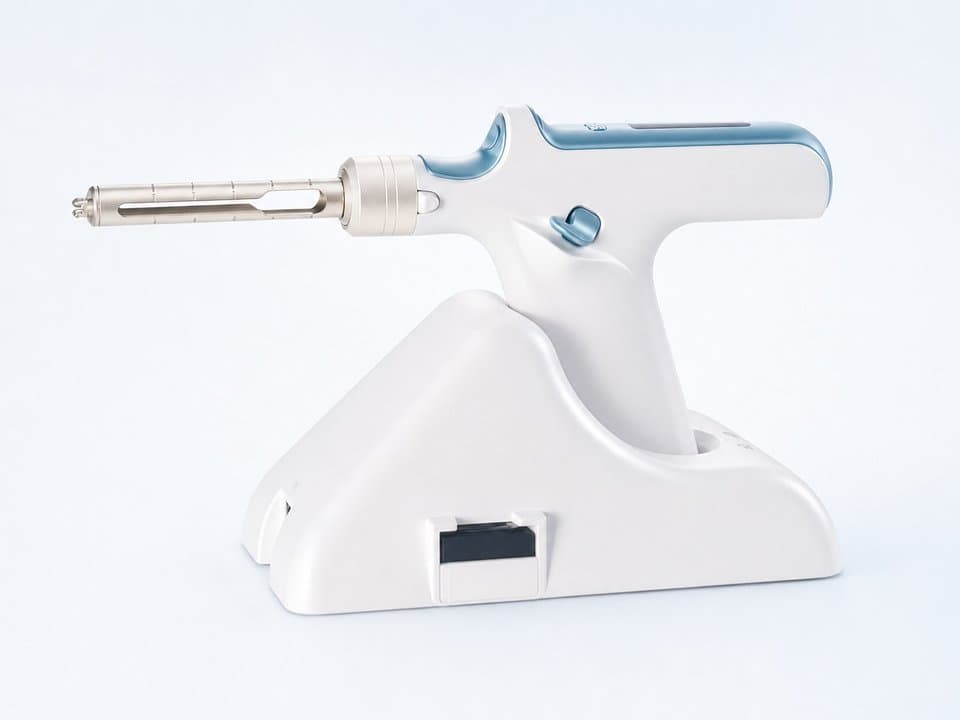
Automated anesthesia device (i-JECT)

After a rinse and topical anesthetic ointment, we inject the anesthetic slowly with the automated device. For palatal anesthesia, we add pressure as the fourth step.

Expand
  • The device controls the injection speed consistently rather than relying on manual pressure.
  • This aims to reduce discomfort during anesthesia; it does not mean there will be no pain at all.
Related guidesImplant pain
Warm-water scaler

Scaling

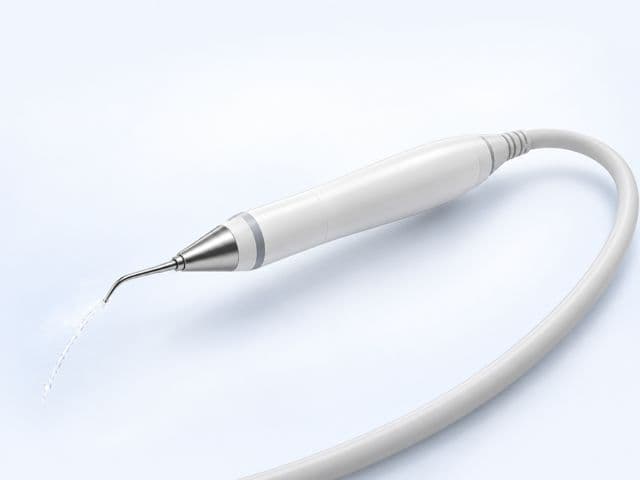
Warm-water scaler

For patients who have delayed scaling because cold water causes sensitivity, we use a scaler that supplies lukewarm water.

Expand
  • For gum treatment, we first remove calculus below the gumline with hand instruments and finish with this scaler.
  • Even with lukewarm water, temporary sensitivity may follow treatment depending on gum condition.
Related guidesGeneral dental care
Aquacare

Air Abrasion

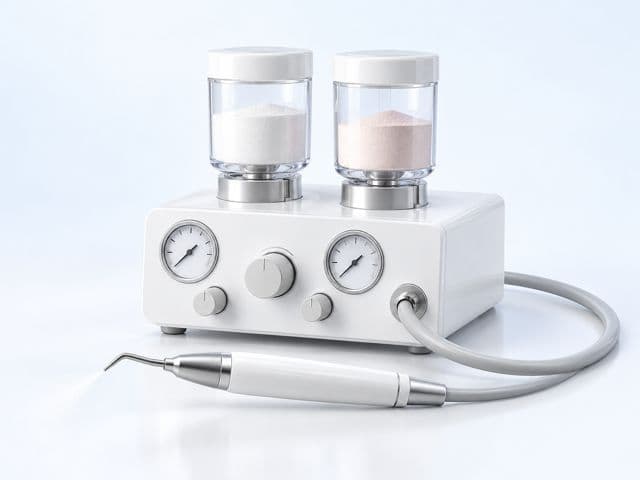
Aquacare

This small intraoral sandblaster prepares the tooth surface for adhesive treatments such as hybrid and ceramic inlays, and resin restorations when needed.

Expand
  • It sprays water and fine particles together to remove contamination and residue from the tooth surface before bonding.
  • Because bond strength depends on surface condition, we do this immediately before bonding.
PHL-15

TMJ Therapy

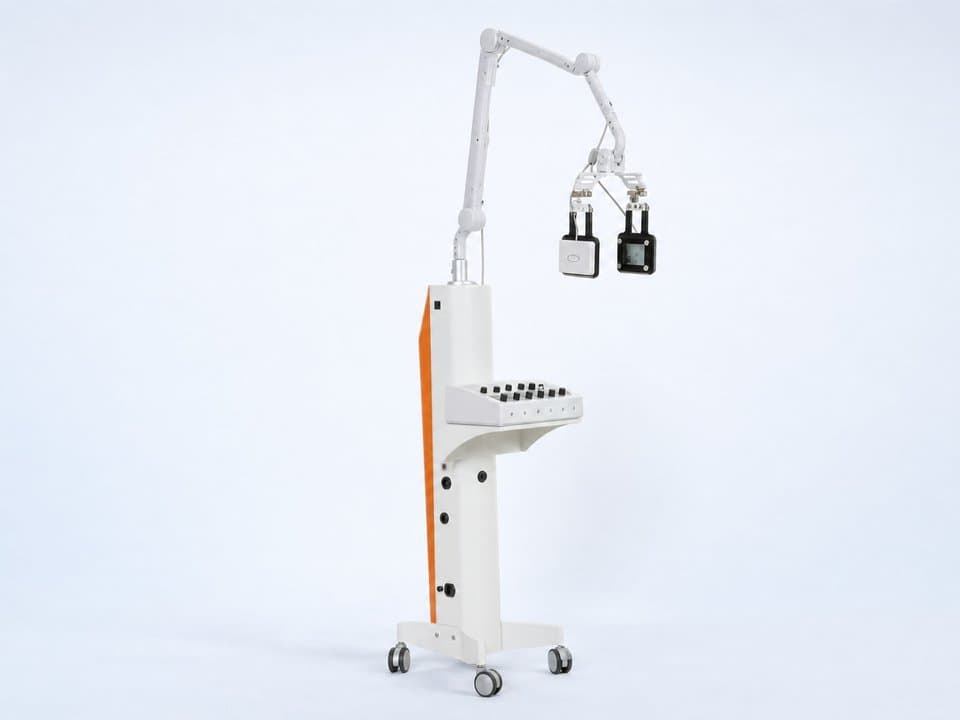
PHL-15

This temporomandibular joint therapy device combines low-level laser and transcutaneous electrical nerve stimulation (TENS). We use it with medication and warm compresses as an initial treatment.

Expand
  • Depending on symptoms and diagnosis, we may begin with around seven days of medication including a muscle relaxant, physical therapy and warm compresses at home.
Related guidesGeneral dental care
K2 dental laser

Dental Laser

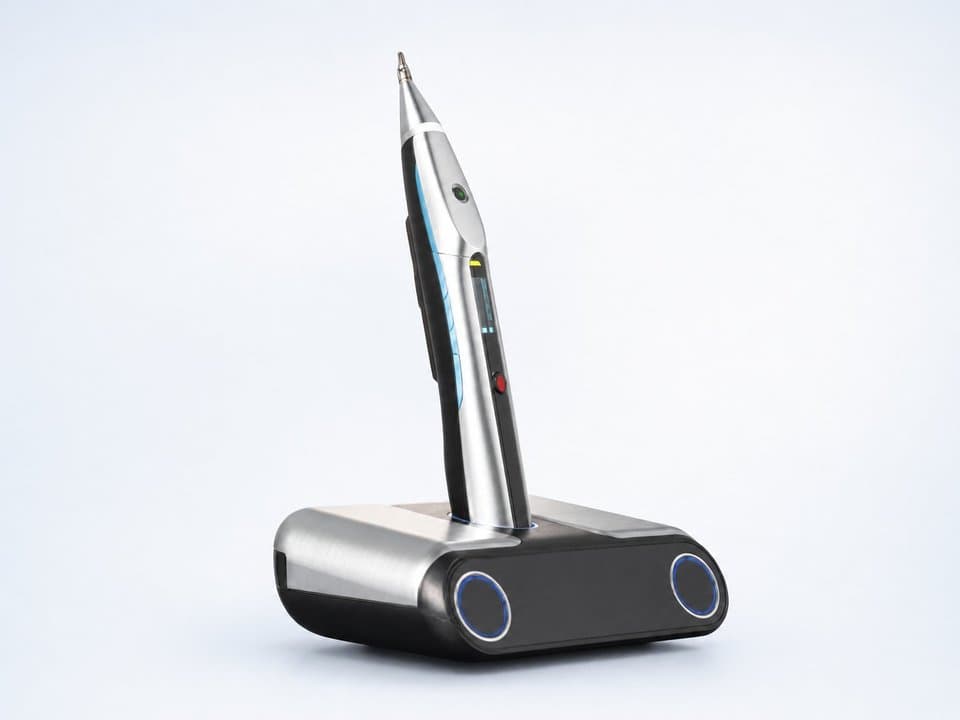
K2 dental laser

We use this laser for gum procedures needed during treatment, including hemostasis and gingivectomy.

Expand
  • When decay extends below the gumline and makes taking an impression or bonding difficult, we manage the gum to expose the area for treatment.
  • It is also used for gum procedures during crown lengthening.
Low-temperature plasma sterilizer

Sterilization

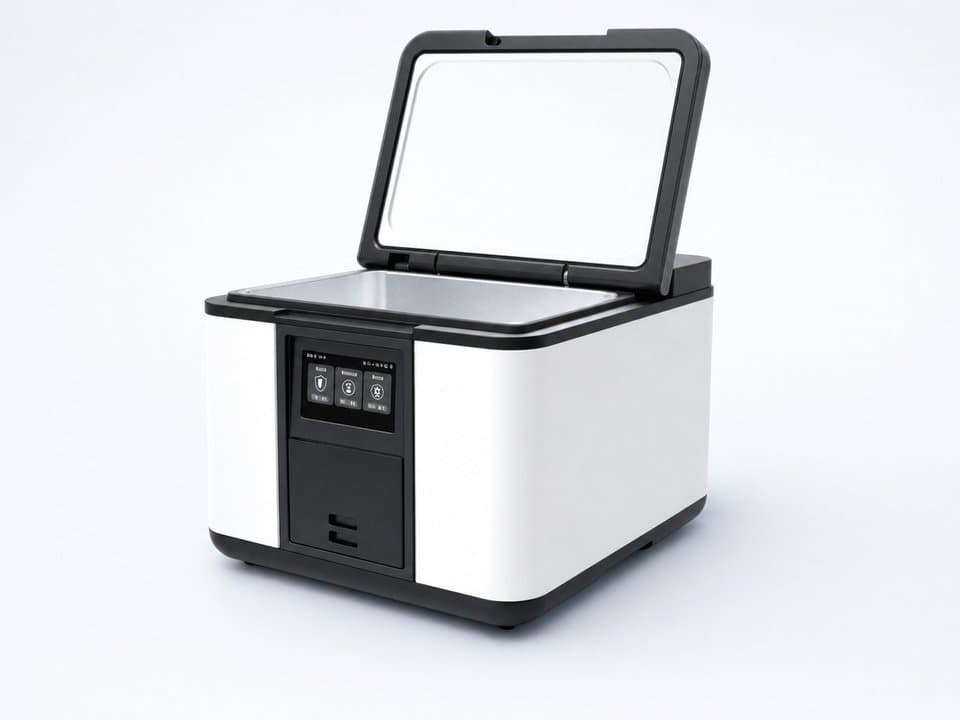
Low-temperature plasma sterilizer

Alongside the autoclave, we have a low-temperature plasma sterilizer. We sterilize instruments that cannot tolerate hot steam with low-temperature plasma.

Expand
  • Heat-resistant instruments are sterilized in a high-temperature, high-pressure steam autoclave; heat- and moisture-sensitive instruments use low-temperature plasma.
  • We choose the method according to the instrument material and the manufacturer’s reprocessing instructions.