GENERAL CARE

General Care

Cavities, gum care, TMJ, and dentures — comprehensive everyday dentistry.

Caries Treatment

Stage-by-Stage Cavity Treatment

The appropriate treatment for a cavity depends on how far it has progressed. Early detection is key, and options range from resin and inlays to root canal therapy and implants.

Caries Stages

Four Stages of Tooth Decay

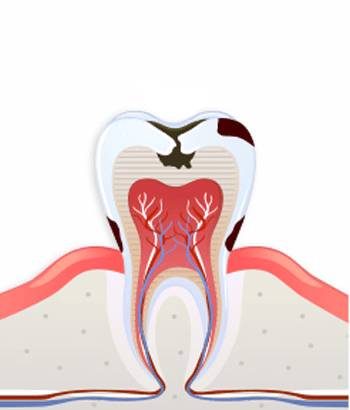
Enamel Stage

Enamel Stage

Early decay limited to the outermost enamel layer. Easily restored with composite resin.

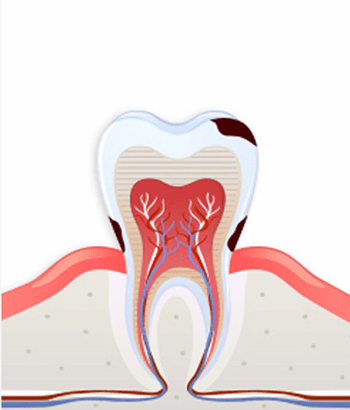
Dentin Stage

Dentin Stage

Decay has spread deeper into the dentin, causing temperature sensitivity. An inlay restoration is typically required.
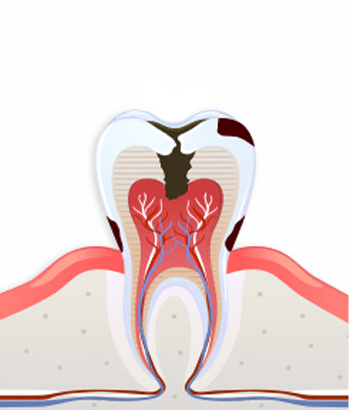
Pulpitis Stage

Pulpitis Stage

Infection has reached the pulp, potentially causing severe pain. Root canal therapy followed by a crown is needed.
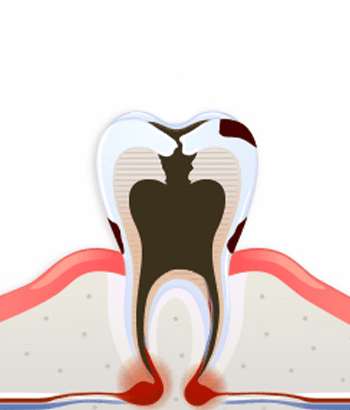
Periapical / Periodontal Lesion

Periapical / Periodontal Lesion

Inflammation has spread to the surrounding tissue or bone with pulp necrosis. Extraction and implant treatment are considered.

Gum Treatment

Periodontal Treatment — Gingivitis & Periodontitis

Inflammation in the tissues supporting the teeth is treated according to severity.
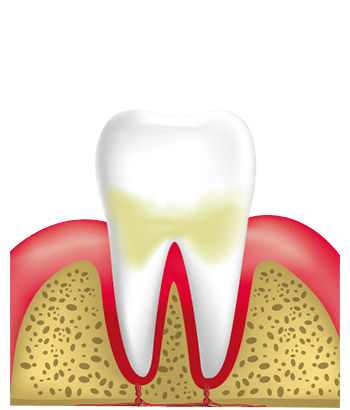
Gingivitis

Gingivitis

Surface-level gum inflammation with swelling or bleeding. Managed with scaling and proper brushing technique.
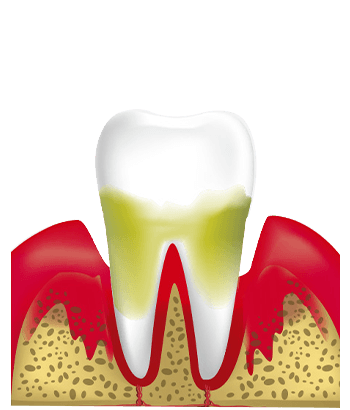
Periodontitis

Periodontitis

Advanced stage where inflammation has progressed to the jawbone. Precise treatment such as periodontal curettage is required.

TMJ Treatment

TMJ Treatment

We assess pain, sounds, and restricted jaw opening in the joint and surrounding muscles to restore normal range of motion.

Medication

Medication

Reduces pain and inflammation to relieve stress on the TMJ.

Physical Therapy

Physical Therapy

Helps relieve muscle tension and restore joint function.

Botox Treatment

Botox Treatment

Relaxes overactive jaw muscles to reduce surrounding strain.
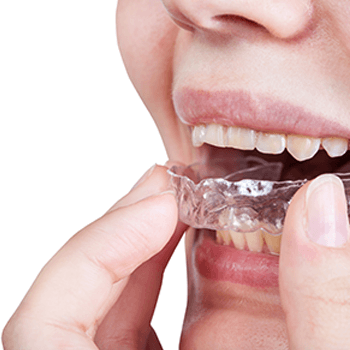
Splint Therapy

Splint Therapy

A custom splint stabilizes jaw joint position and balance.

Dentures

Complete vs Partial Dentures

The appropriate denture type depends on the condition of remaining natural teeth.
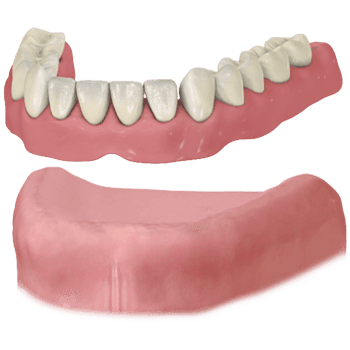
Complete Denture

Complete Denture

Used when all teeth are lost or remaining teeth cannot be preserved. Supported by covering the entire gum; chewing force is roughly 20–30% of natural teeth and an adaptation period is required.
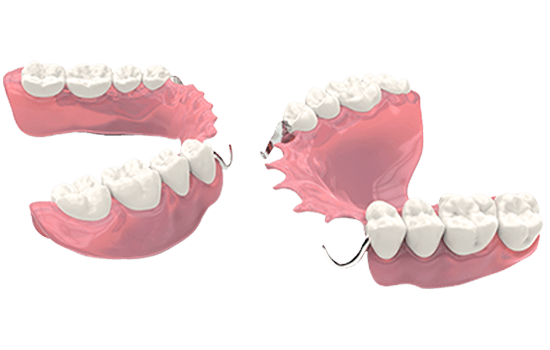
Partial Denture

Partial Denture

Applied when only some teeth are missing and remaining natural teeth can serve as supports. Chewing force reaches about 40–60% of natural teeth depending on the supporting teeth.

Schedule a consultation by phone or Naver Booking

Leave a few details on our consultation page and we'll get back to you promptly.

Frequently Asked Questions

Q. How often should I get a dental check-up?
A check-up and scaling every six months is commonly recommended, but the interval may be adjusted to three or four months for patients with risk factors such as periodontal disease or diabetes. In Korea, insured patients aged 19 or older may receive coverage once a year when full-mouth scaling completes treatment without follow-up periodontal care. Yeonhap Dental Clinic may use Q-Ray as supplementary information alongside oral examination and radiographs when reviewing early caries.
Q. Do cavities always need treatment?
Not always. Arrested caries or some early lesions may be monitored with fluoride, hygiene care, and regular reviews rather than removed immediately. Yeonhap Dental Clinic evaluates lesion activity and depth using an oral examination, radiographs, and Q-Ray as supplementary information when indicated. When treatment is needed, we explain an appropriate material and method such as resin, inlay, or crown according to the tooth and extent of damage.
Q. What should I do if my gums bleed?
Bleeding while brushing can be a sign of gum inflammation such as gingivitis or periodontitis. Because untreated inflammation can contribute to bone loss, a periodontal check is advisable. Yeonhap Dental Clinic uses a warm-water scaler to help reduce cold-water stimulation. If bleeding continues for more than two weeks or occurs with swelling or pain, please arrange an examination.
Q. Is tooth sensitivity normal after scaling?
Cold sensitivity can occur for one to two weeks as root surfaces previously covered by calculus become exposed. Yeonhap Dental Clinic uses a warm-water scaler to help reduce cold stimulation during treatment. Sensitivity toothpaste and lukewarm water may help. A further assessment is recommended if pain is severe or sensitivity continues for more than four weeks.