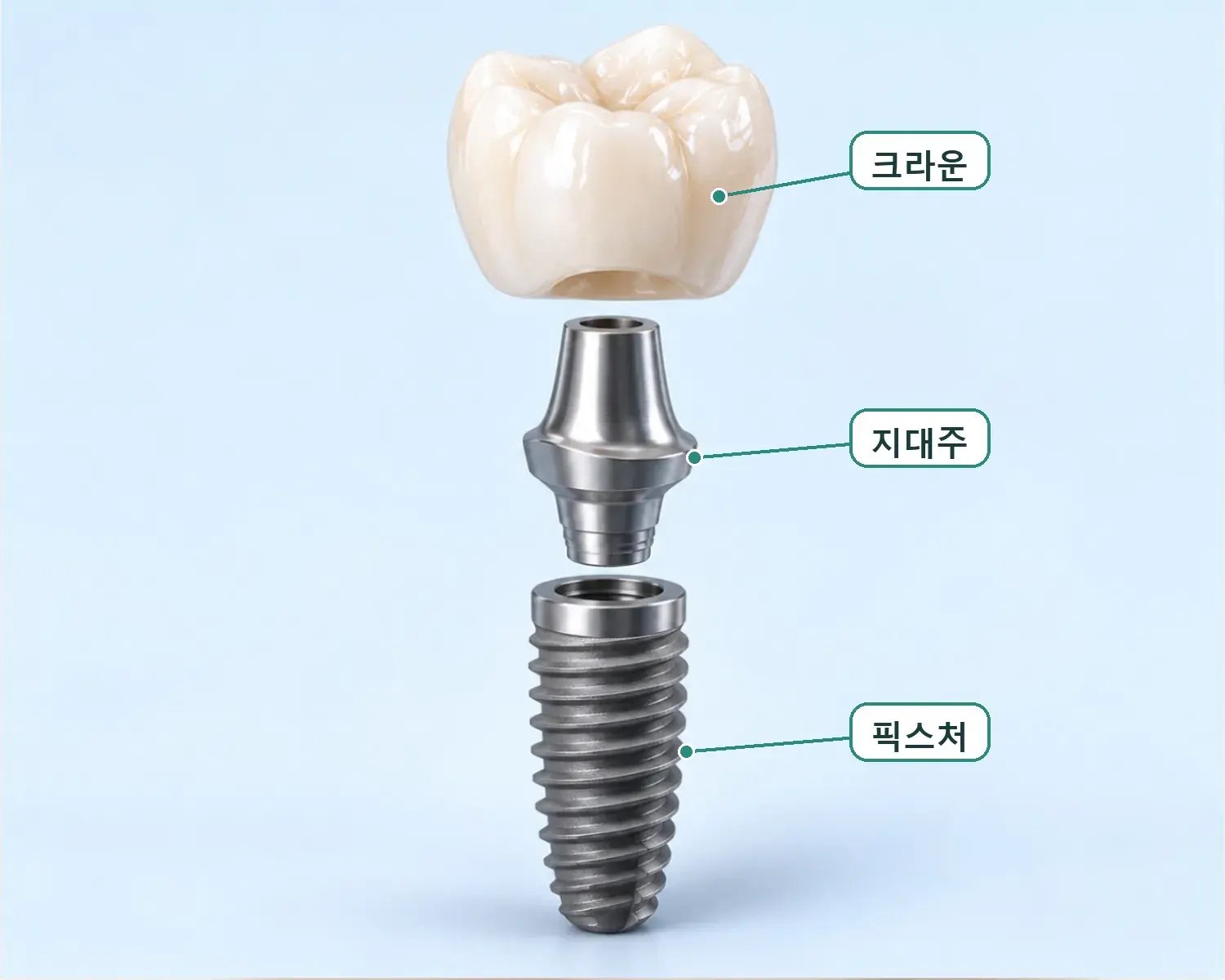
A sinus lift is a separate item from the implant
The implant price has three items, fixture, abutment, and crown, and the sinus lift and bone graft material are added separately on top.

TAPDONG SINUS LIFT
We have put in one page whether a sinus lift is really needed, how the cost is set, and how much longer it takes.
Why Diagnosis Matters
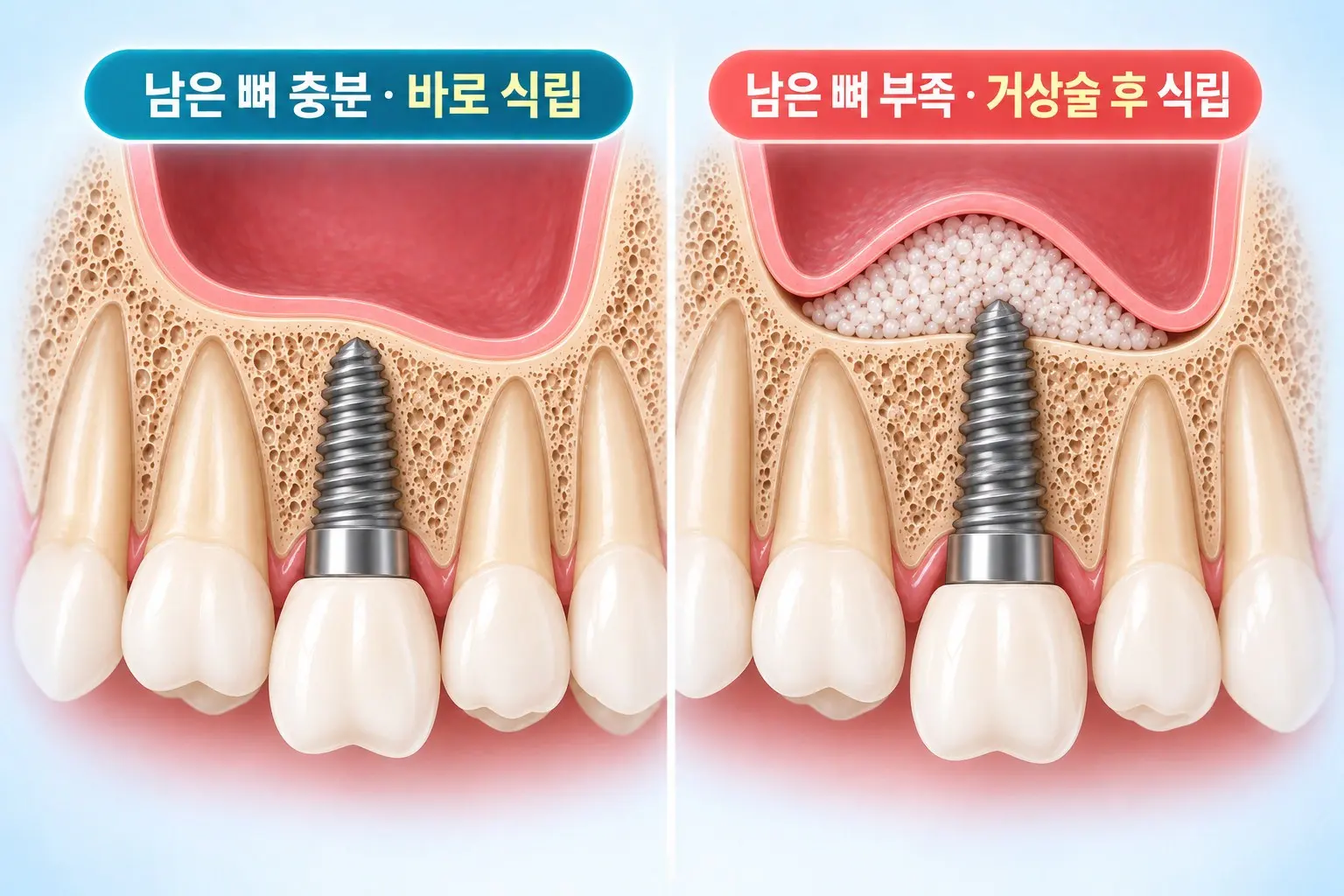
A sinus lift is surgery that lifts the membrane at the floor of the maxillary sinus above an upper molar and adds bone graft material to create bone height for placing an implant, and it is not needed if enough bone remains. Whether it is needed is decided by the remaining bone height up to the floor of the sinus on the 3D CBCT, and Yeonhap Dental Clinic places the implant without a sinus lift if the remaining bone is 7 mm or more, and considers a sinus lift when it is under 7 mm. A sinus lift is a separate item from the implant, and the timing of the prosthesis is decided by the remaining bone and the stability and healing.
Consultation Checklist
Whether a sinus lift is needed, and how much the cost and period change, is decided at the first consultation by looking at the five points below on CBCT.
Treatment Options
A sinus lift is added as a separate item to the price of one implant (fixture, abutment, crown). The crestal and lateral approaches have different items, and with 7 mm or more of remaining bone, this item does not exist. If your estimate has a sinus lift, also check the remaining bone height on the CBCT.
The implant price has three items, fixture, abutment, and crown, and the sinus lift and bone graft material are added separately on top.
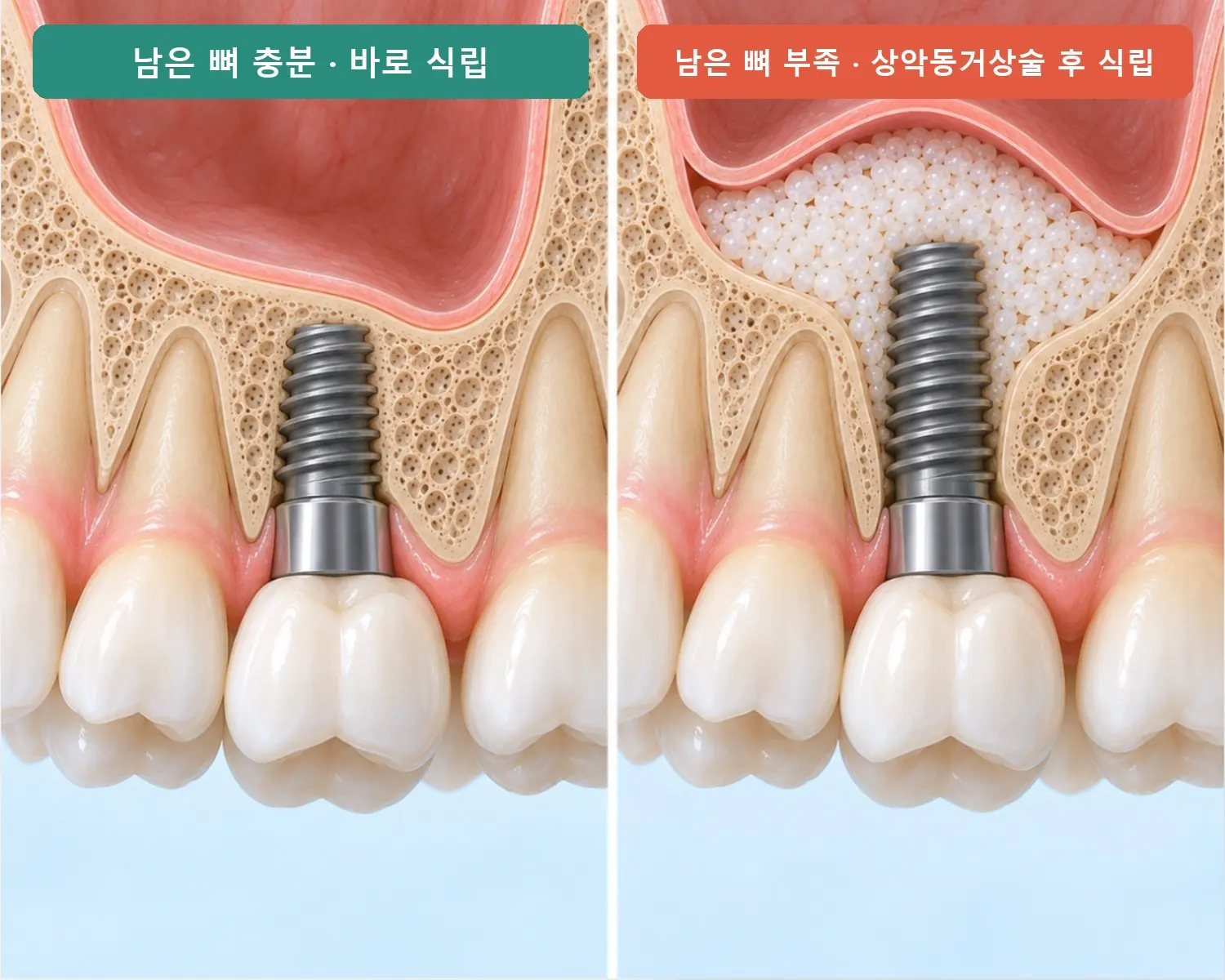
If 7 mm or more remains up to the floor of the maxillary sinus on the CBCT, the implant is placed without a sinus lift, and the cost and period are the same as an ordinary implant. Under 7 mm, we choose to build bone and place a length of 7 mm or more, and do not substitute a short implant.
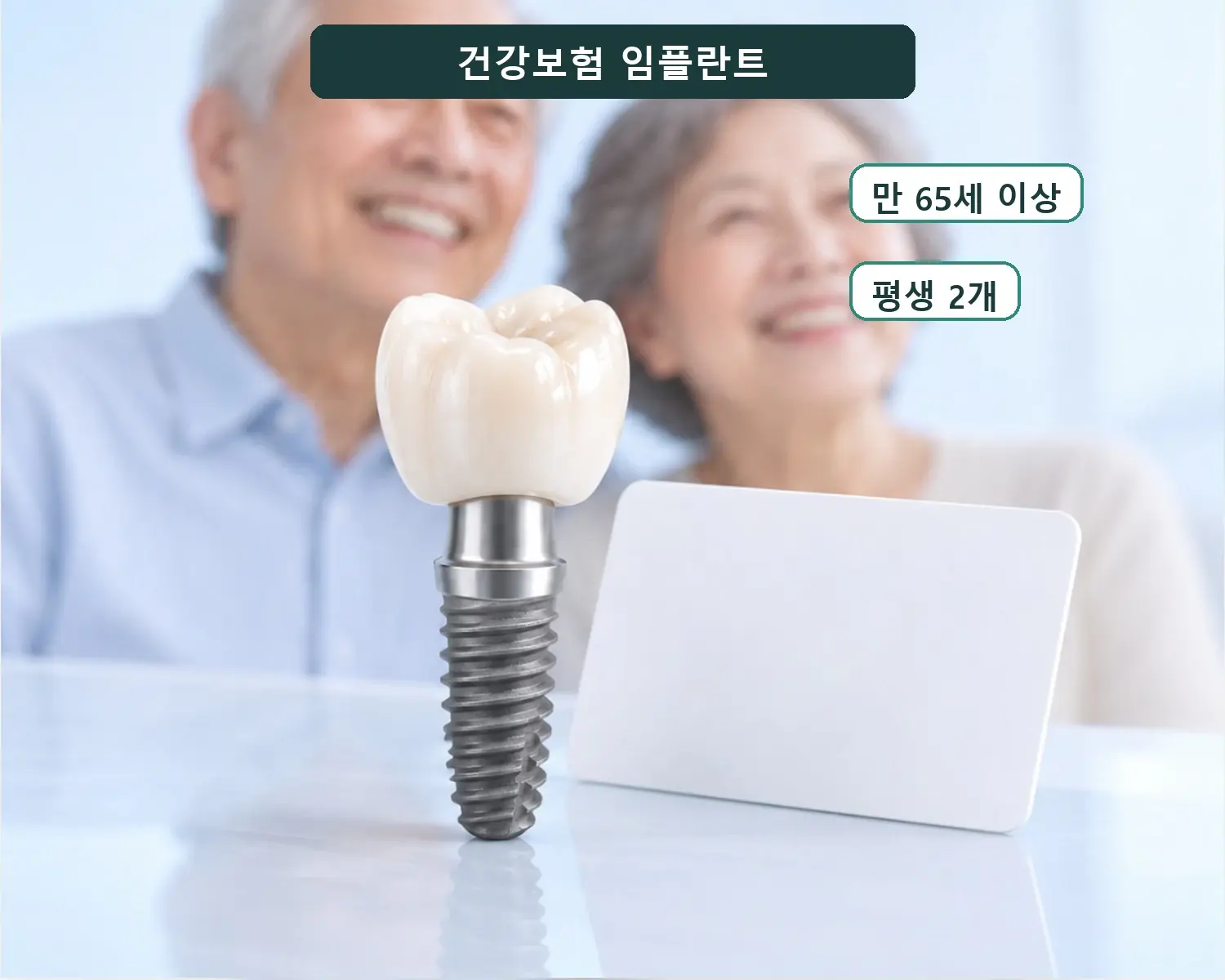
At age 65 or older, you can have up to 2 implants per lifetime with a 30% copayment, but a sinus lift and bone graft are not included in coverage. If you are eligible for coverage and the estimate is larger than expected, it is mostly this item.
Planning Points
If the condition is good, we expect about 4–5 months to the final prosthesis, and about 6–7 months if bone formation and adaptation to a temporary tooth are needed.
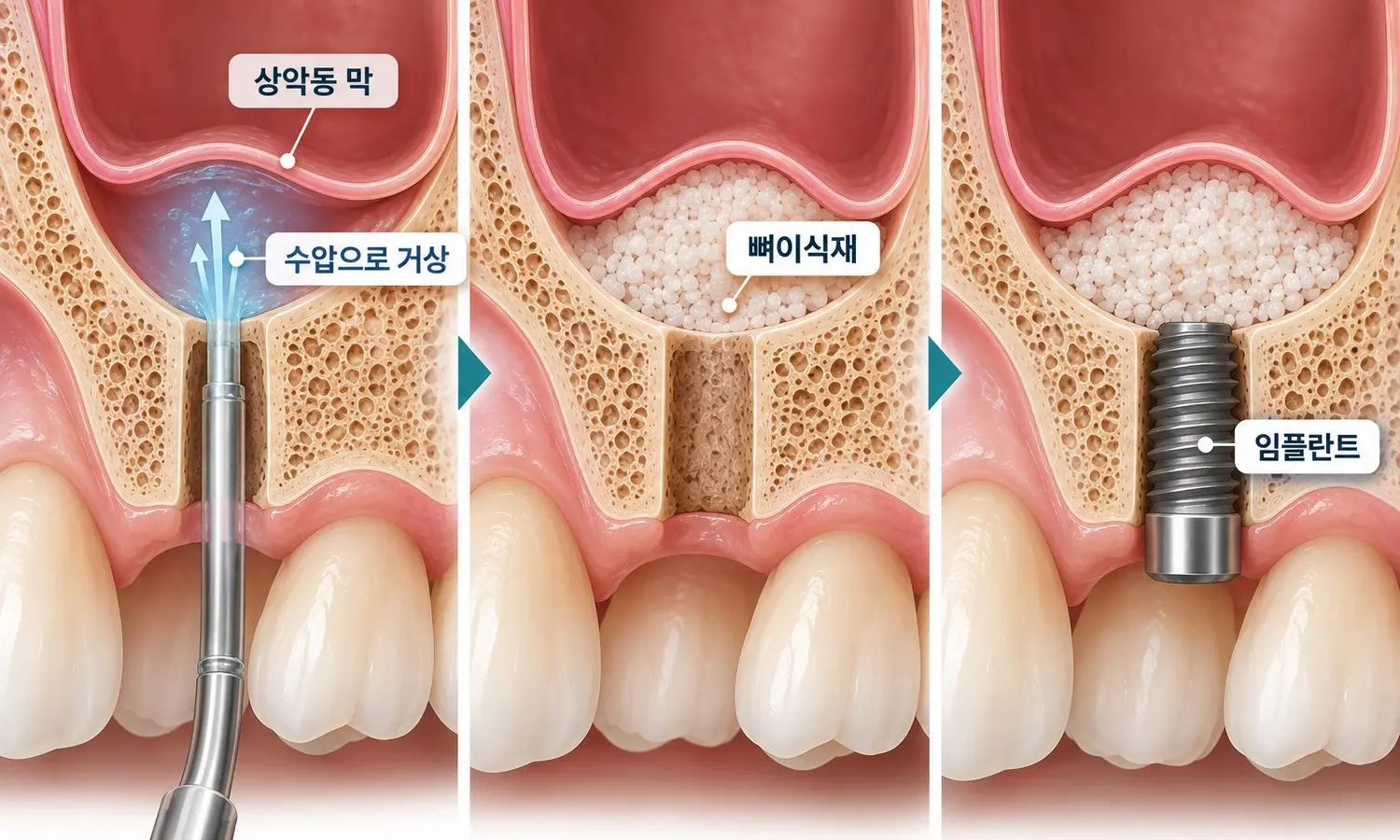
If the remaining bone and the stability and healing are good, the treatment may be completed in about 4–5 months. If bone formation and gradual loading adaptation are needed, it usually goes through a second-stage surgery after 5 months and about 1 month with a temporary tooth before the final prosthesis.
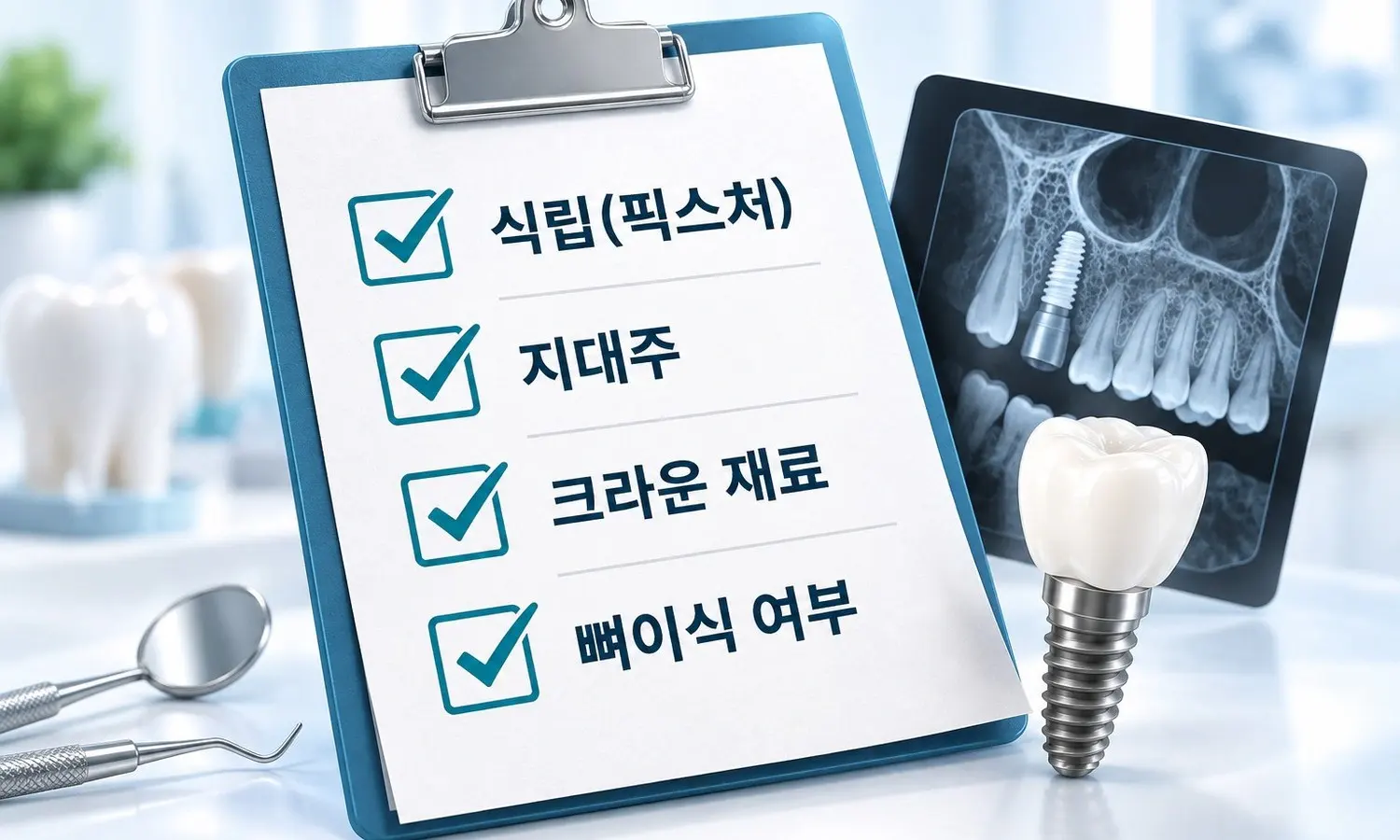
If a sinus lift is among the items on your estimate, it should also state whether the remaining bone height on the CBCT is under 7 mm, and whether it is crestal or lateral. If either is missing, ask why it is needed.
Before Visit
If you know the points below, you can receive at the first consultation whether a sinus lift is needed and an item-by-item estimate.
A sinus lift costs more and takes longer, but it is not a choice that sacrifices the result. The estimated 3-year survival rate of implants at sinus lift sites is reported as 92.8% for the crestal approach (19 studies, Tan 2008) and 90.1% for the lateral approach (48 studies, 12,020 implants, Pjetursson 2008). For this reason, Yeonhap Dental Clinic explains a sinus lift estimate through two things: the remaining bone height and the approach. One is whether the remaining bone up to the floor of the sinus on the CBCT is under 7 mm; if it is 7 mm or more, this item does not exist. The other is whether to try the crestal approach first or use the lateral approach from the start; the two methods differ in cost items and recovery period, and are decided not by bone height but by the condition of the sinus membrane. Yeonhap Dental Clinic writes both of these on your estimate. References: Tan 2008, systematic review of 19 studies: estimated 3-year survival of implants with the crestal approach sinus lift, 92.8% · Pjetursson 2008, estimated 3-year survival of implants with the lateral approach sinus lift, 90.1%, 48 studies and 12,020 implants Treatment results may vary by individual oral condition.
Sinus Lift Implants in Suwon: Three Key Points
Last updated:
Leave a few details on our consultation page and we'll get back to you promptly.